Pembrokeshire to Peru: How Wales’ Coastal Skills Benefit South American Adventures
From Pembrokeshire to Peru. There are more similarities than you think and one will get you ready for the other.
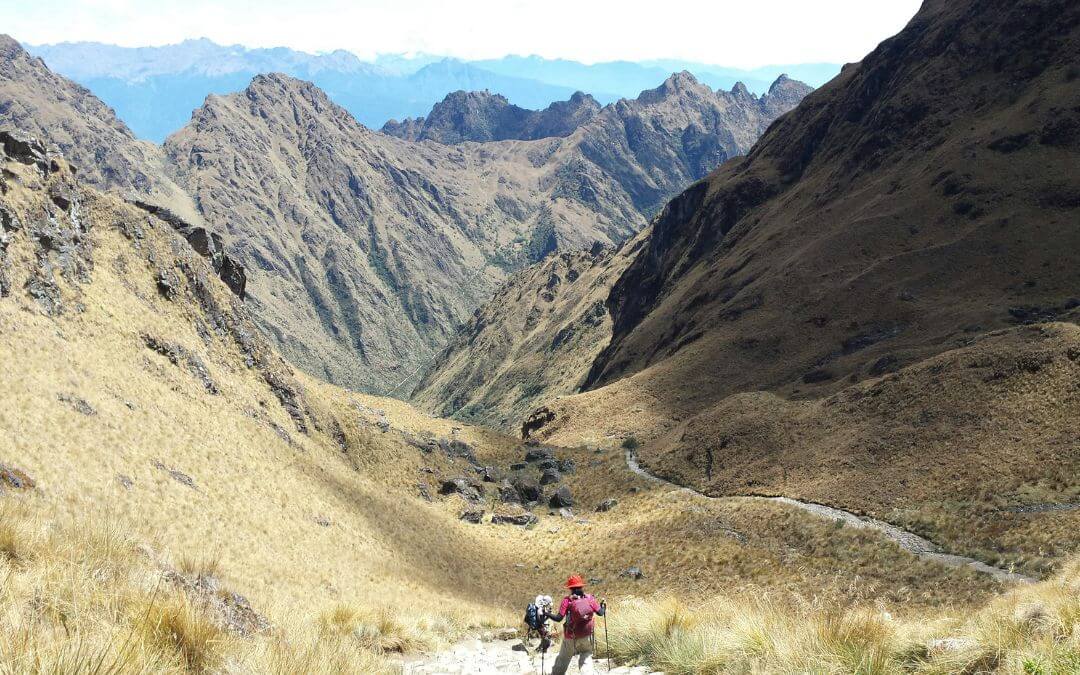
Exploring the rugged coastline of Pembrokeshire often sparks interest in travel further afield. Time spent along coastal paths, in sheltered coves and across open headlands builds quiet confidence. Travelers who grow used to the rhythm of the Welsh coast frequently look beyond Britain for landscapes that offer similar scale and depth. Peru, with its mountains, rainforest and layered history, appeals to those who value outdoor challenge alongside cultural understanding.
Experience gained at home provides a practical base for long-haul travel. Managing shifting weather systems, preparing for varied terrain and approaching heritage sites with care are habits developed along the Pembrokeshire coast. These foundations make the transition from sea-level walks in Wales to high-altitude exploration in South America feel structured rather than overwhelming.
The appreciation of Pembrokeshire’s scenery also shapes expectations abroad. Visitors who are drawn to exposed cliffs and quieter beaches often look for remote Andean routes rather than crowded itineraries. Those who value the region’s castles, chapels and prehistoric sites approach Peru’s historic cities with similar attention and respect.
Also read: Best Vineyards in the UK
How Pembrokeshire’s Coastal Paths Prepare You for Peru’s Inca Trail
The Pembrokeshire Coast Path is demanding in ways that prepare walkers for international trekking. Its constant ascents and descents build endurance over time. Regular walkers between Tenby and Saundersfoot understand how sustained elevation change affects pacing, breathing and recovery.
Travelers usually compare walking distances, overnight stops and altitude profiles before choosing a route. Reviewing Peru travel options that outline complete trekking and cultural itineraries provides detailed information about acclimatization, guide support and daily terrain. This clarity allows walkers to match the stamina developed on Welsh coastal routes with realistic options in the Andes.
Weather awareness is another transferable skill. Pembrokeshire’s sudden rain and strong coastal winds encourage walkers to pack layered clothing and waterproof equipment. Those who have crossed exposed stretches near St Govan’s Chapel or Stackpole Quay understand the value of preparation. In the Andes, where temperatures shift quickly between day and night, this practical approach improves safety and comfort.
Multi-day walking in Wales also develops routine. Coastal hikers learn to manage early starts, steady hydration and measured pacing. These habits support longer treks abroad. Even shorter Andean routes demand consistency and attention to physical limits. The familiarity of structured walking days reduces uncertainty in a new environment.
From St Davids Cathedral to Cusco’s Sacred Valley
St Davids Cathedral has drawn visitors for centuries. Its scale and setting encourage quiet reflection rather than hurried sightseeing. Travelers who spend time engaging with St Davids Cathedral history often approach other heritage sites with patience and curiosity.
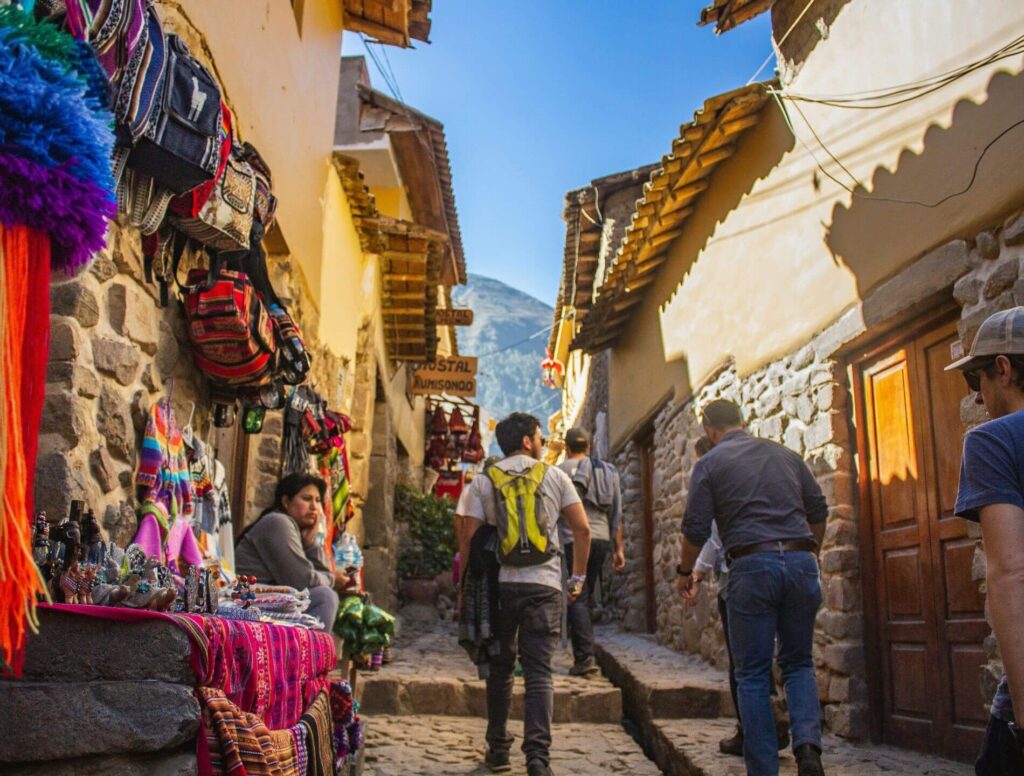
This perspective is valuable when visiting Peru’s historic centers. Cusco and the Sacred Valley require careful planning and respectful conduct. Visitors familiar with preservation efforts at Pembroke Castle or Carew Castle recognize similar conservation priorities abroad. Both regions balance public access with long-term protection of fragile structures.
Exploring quieter Welsh sites builds appreciation for layered history. The prehistoric burial chamber at Pentre Ifan and the standing stones across the Preseli Hills reveal how ancient landscapes remain present in daily life. Travelers who seek out these locations at home often extend the same approach in Peru, looking beyond major landmarks to understand regional traditions and community history.
Spending time in heritage environments also builds observational skills. Reading interpretive panels, noting architectural differences and asking informed questions enhances the travel experience. In Peru, where Incan and colonial influences intersect, this attention to detail deepens understanding without requiring specialist knowledge.
Pembrokeshire’s Wildlife Watching Skills for Amazon Adventures
Wildlife observation along the Pembrokeshire coast develops patience and focus. Watching puffins on Skomer Island or scanning the waters of Strumble Head for porpoises requires stillness and awareness of subtle movement. Visitors learn to remain quiet and allow the environment to unfold naturally.
In Peru’s Amazon basin, these habits are equally important. Guided rainforest walks depend on attentive listening and controlled movement. Travelers who have practiced careful observation on Welsh clifftops adapt more easily to forest conditions, where animals are often heard before they are seen.
Preparation for coastal excursions also transfers well. Waterproof layers, durable footwear and reliable binoculars serve travelers in humid rainforest settings. Early morning departures for seabird watching mirror the timing of Amazon wildlife outings, where activity increases at dawn. Time spent understanding Skomer Island wildlife and history reinforces the connection between habitat protection and species survival, a principle that applies equally in rainforest environments.
Respect for marine conservation areas in Wales encourages responsible behavior abroad. Understanding why certain paths are restricted or why wildlife must not be disturbed creates a foundation for ethical travel. In the Amazon, where ecosystems are complex and sensitive, this awareness supports sustainable tourism practices.

Local Food Adventures as Training for Peruvian Cuisine
Pembrokeshire’s food culture reflects its coastal environment. Fresh seafood in Tenby and Saundersfoot highlights the value of seasonal produce. Visitors who take time to learn where ingredients come from gain a deeper connection to place.
This mindset carries over to Peru’s culinary landscape. Coastal regions around Lima depend on fresh fish and locally sourced ingredients. Highland communities rely on traditional farming methods adapted to altitude. Travelers who appreciate Welsh food traditions often show similar interest in regional Peruvian dishes.
Markets in Haverfordwest provide informal training in selecting quality produce and engaging with vendors. Regular visits to Haverfordwest Farmers Market build familiarity with seasonal cycles and local sourcing. Conversations about origin, preparation and seasonality build confidence in unfamiliar settings. In Cusco’s San Pedro market, similar exchanges reveal how food reflects geography and climate.
Shared meals also play a comparable social role in both regions. Welsh dishes prepared slowly and enjoyed communally reinforce the importance of gathering around food. In Peru, family meals and local celebrations center on traditional recipes passed down through generations. Travelers who approach cuisine as part of cultural context rather than simple consumption gain a more rounded understanding of destination.
Building Confidence Through Familiar Landscapes
Travelling from Pembrokeshire to Peru involves distance, climate change and language difference. Yet the core experience of exploring natural landscapes creates continuity. Coastal walking builds physical readiness. Heritage visits develop respect for preservation. Wildlife watching teaches patience. Local food traditions encourage curiosity.
These elements combine to reduce the sense of contrast between Wales and South America. Rather than viewing Peru as entirely unfamiliar, travelers recognize shared patterns of landscape, community and history shaped in part by the vast scale of the Andes Mountains, whose geography defines much of the country’s terrain and climate.
The transition from Welsh shoreline to Andean highland does not require a complete change of approach. Travelers who have built endurance along the Pembrokeshire coast already understand how to prepare, observe and adapt. That familiarity turns long-distance travel into a continuation of skills rather than a departure from them.