Unexpected Ways to Learn About a Destination Before You Visit
Want to learn about a destination before you travel to it? We have some fun and different ways to do just that.
Planning a trip is exciting. But there’s a gap between reading a travel brochure and actually knowing a place. Most people check the weather, skim a few hotel reviews, maybe watch one YouTube video. Then they show up and realize they had no idea. The language is faster than expected. The currency is confusing. The “must-see” spot turned out to be a tourist trap surrounded by souvenir stands. Sound familiar?
The good news: there are smarter, stranger, and far more effective ways to prepare. Here’s what you must know to get there truly ready.
Also read: The Packing Hack That Means You Never Need To Check A Bag
Talk to Someone Who Actually Lives There
This sounds obvious. It isn’t. Most travelers talk to other travelers. They read blogs written by tourists, watch vlogs from tourists, and get advice from tourists. None of those people live there. They passed through, like you’re about to.
Finding locals is easier now than at any point in history. Random video chat platforms connect you to strangers worldwide—try something like OMG Fun, where you can engage in a conversation with someone from the exact country you’re heading to. For example, you can log into OMG Fun and start chatting with strangers about the atmosphere in their city, where they travel at this time of year, or where they eat. You can ask them during the video call what annoys them about tourists. You’ll get honest answers you won’t find in any travel guide. One conversation can rewrite your entire itinerary.
Dive Into Local News, Not Travel Media
Here’s something counterintuitive: skip the travel sites entirely for a week. Read the local news instead. English-language editions exist for most major countries — Al-Monitor for the Middle East, The Local for much of Europe, The Japan Times for Japan.
What are people angry about? What festivals are happening? Is there a transport strike scheduled? Are fuel prices causing chaos? A 2023 survey by the World Tourism Organization found that 62% of travelers reported unexpected disruptions that a quick check of local news would have flagged in advance. Local news shows you the place as it is right now, not as it looked in last year’s travel feature.
Watch Local TV Shows and Films (Not Documentaries)
Documentaries are curated. They’re made for outsiders. What you want instead is ordinary television — soap operas, reality shows, local comedies, evening news broadcasts. These reveal the rhythms of daily life in ways that no travel content is designed to do.
A Turkish drama set in Istanbul will teach you more about social dynamics, family expectations, and unspoken rules than three travel articles combined. A French comedy film will show you how people argue, joke, and interact with strangers. Even if you don’t speak the language, the body language, the settings, the pace of it all communicates something real.
Learn the Uncomfortable Statistics
Every destination has numbers that tourism boards would prefer you not Google. Crime rates. Scam hotspots. Air quality indexes. Health infrastructure. These aren’t reasons not to go — they’re reasons to go prepared.
According to the US State Department, nearly 1 in 6 American travelers experiences some form of crime abroad annually. Petty theft, scams, and transportation fraud are by far the most common. Knowing which neighborhoods to avoid after dark, which taxi apps locals trust, and whether tap water is safe to drink — that’s not paranoia. That’s homework. The travelers who skip this step are the ones who spend day two of their holiday replacing a stolen wallet.
Explore the Destination Through Its Food Culture
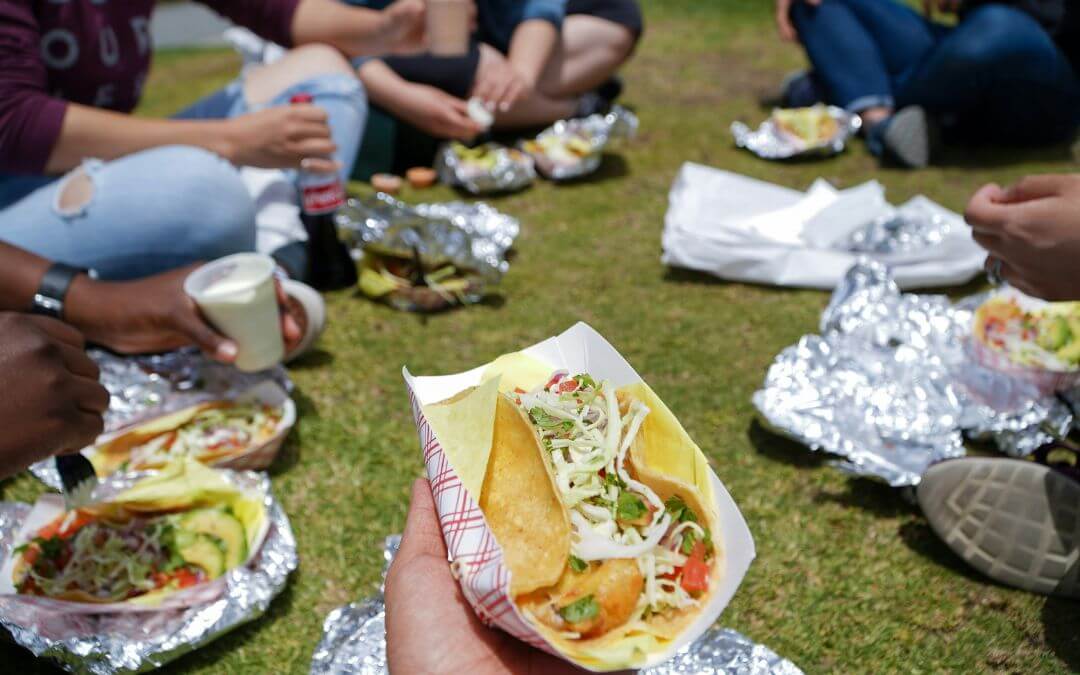
Food isn’t just food when you’re traveling. It’s social code. Eating with locals, or even trying to cook local dishes before you leave, tells you things about a culture that history books miss entirely. Is eating on the street normal or frowned upon? Do people linger at meals for two hours or eat quickly and leave? Are portions huge or modest?
Look up the most popular local food blogs, not international ones covering that country. Search Reddit communities for expats living there. One thread on r/Japan about ramen etiquette is worth more than an entire chapter in a travel guide. Small details — like the fact that tipping is considered rude in Japan but expected in the US — shape your entire experience on the ground.

Study the Transportation Ecosystem
Getting around is where most trips quietly fall apart. Flights land. Then what? Is there a train to the city center or only overpriced taxis? Does the metro work on Sundays? Is the ride-hailing app you use at home banned there?
In 2024, a survey found that transportation confusion was the number one logistical complaint among first-time visitors to a new country. Study the system before you land. Download the right apps. Know which buses go where. Understand the ticketing logic. Cities like Tokyo, Paris, and Mexico City have incredibly efficient public transit — but they’re also confusing until you study the network map for about twenty minutes.
Join Online Communities Before You Go
There’s a Reddit thread, a Facebook group, or a Discord server for almost every destination on the planet. These communities are full of people who either live there, moved there recently, or visit regularly. The questions you’re too embarrassed to ask anywhere else — those get answered here.
You can ask about power adapters. Ask about tipping. Don’t be afraid to ask whether the beach everyone photographs is actually worth the three-hour bus ride. Ask if a translator app is enough or if you need a phrasebook. The answers will surprise you. More often than not, the locals in these groups will be genuinely delighted that you asked.

Read Fiction Set in That Place
This one almost nobody does. And it’s one of the most powerful ways to understand a destination emotionally, not just logistically. A novel set in Cairo gives you a character’s experience of heat, noise, traffic, beauty, and daily frustration. It puts you inside the place before your plane even lifts off.
Khaled Hosseini’s novels reframed how millions of readers understood Afghanistan. Elena Ferrante’s Neapolitan series made Naples feel like something living. Before your next trip, find a celebrated novel or story collection from or set in your destination. Read it slowly. You’ll arrive with something most tourists never have: a sense of the place as a world, not just a backdrop.