
Best Ways to Explore Buenos Aires: Sightseeing, Local Transport, and Travel Experiences
Explore Buenos Aires and its exciting and historic neighborhoods. We highlight the best things to see and how to get to there.
Buenos Aires is Argentina’s vibrant capital, a city of grand European-inspired boulevards, historic neighborhoods, passionate tango culture, and lively streets that stay busy well into the night. It is a big city, and getting the most from it means choosing the right transport and sightseeing options for your time and budget.
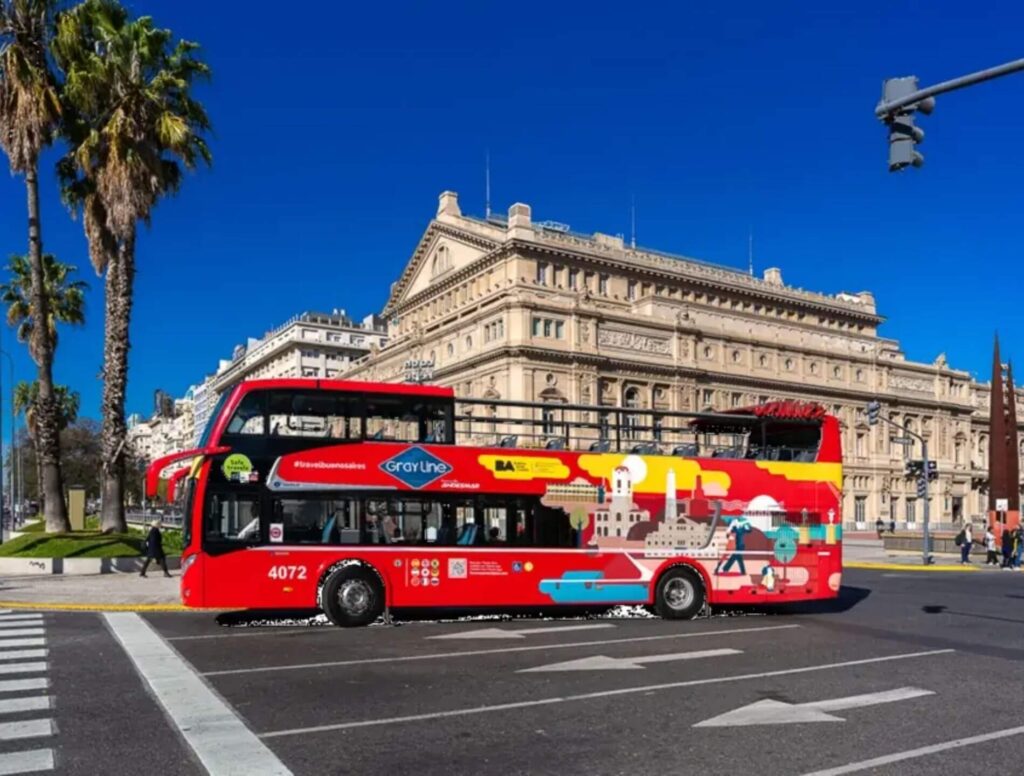
Visitors can explore on foot, ride the metro and local buses, take taxis, or join a sightseeing bus that links the main highlights. The Buenos Aires Hop On Hop Off Bus is a popular choice for first-time travelers because it lets you step off at an attraction, explore at your own pace, and continue when you are ready.
This guide covers the top sights, the main ways of getting around, cultural experiences beyond the landmarks, a one-day plan, and practical tips. Whether you are planning a quick stopover or a longer stay, it will help you shape a Buenos Aires sightseeing plan and a Buenos Aires city tour that suits you.
Discover Why Buenos Aires Is Worth Exploring
A City of History, Culture and Architecture
Buenos Aires is often called the “Paris of South America,” and a short walk shows why. Spanish colonial buildings stand near French-style mansions, Italian-influenced façades, and Art Deco towers. Wide avenues, ornate theaters, and leafy plazas give the city a character unlike any other in Latin America.
Beyond the architecture, the city is rich in history and culture. Historic squares, grand cathedrals, colorful streets, and world-famous cafés and bookshops all add to the experience. The list of Buenos Aires tourist attractions is long, and each landmark tells part of the story of modern Argentina.
Explore Different Neighbourhoods and Local Experiences
Every barrio has its own personality. San Telmo has cobbled streets, antique shops, and tango bars. Palermo is known for parks, boutiques, and a busy restaurant scene. Recoleta is elegant and refined, with museums, galleries, and its famous cemetery. La Boca is bright and artistic, with painted houses and a strong tango tradition. Puerto Madero is the modern waterfront, with converted warehouses, restaurants, and riverside walks.
Because the neighborhoods are so different, Buenos Aires sightseeing rewards variety. Mixing districts is one of the best ways to explore Buenos Aires and see its many sides.
Must-Visit Attractions to Include in Your Buenos Aires Sightseeing Plan
With so much on offer, it helps to start with the essentials. These sights cover history, architecture, and daily life, and they make a solid base for any itinerary.
Plaza de Mayo and Casa Rosada
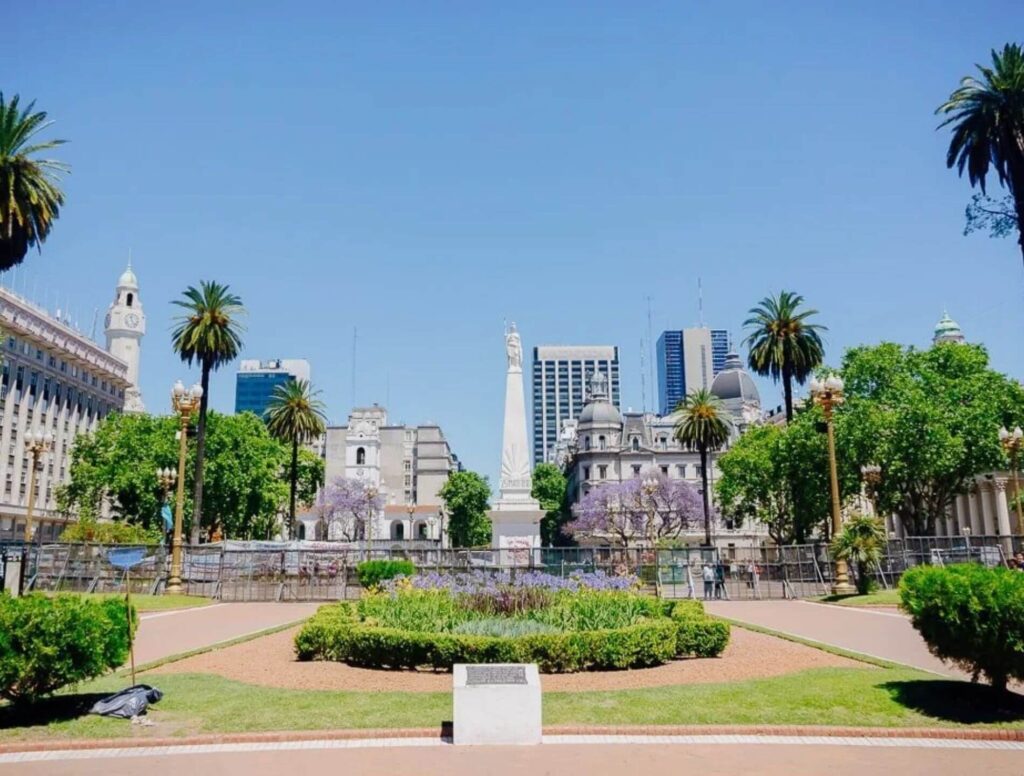
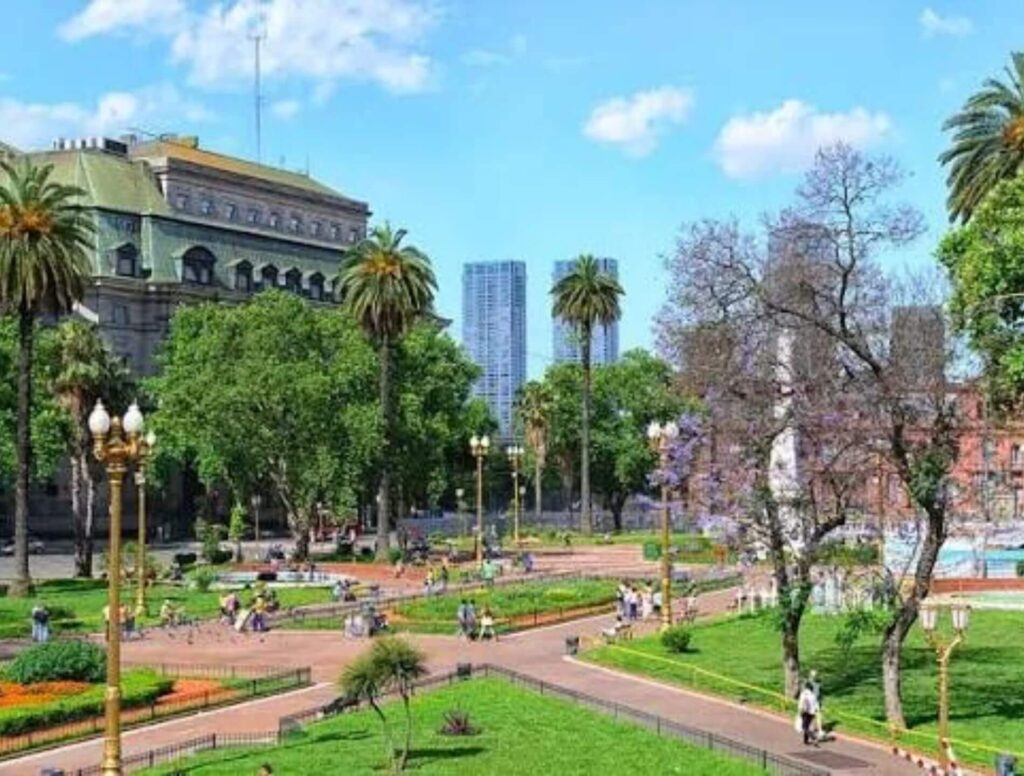
Plaza de Mayo is the historic heart of the city and has been the setting for many important moments in Argentine history, including political gatherings and public demonstrations. At its eastern end stands the Casa Rosada, the pink presidential palace, recognized across the country. Its colour and balcony are closely tied to the nation’s political story. The cathedral and other historic buildings nearby make this a natural first stop for visitors.
Obelisco and Avenida 9 de Julio
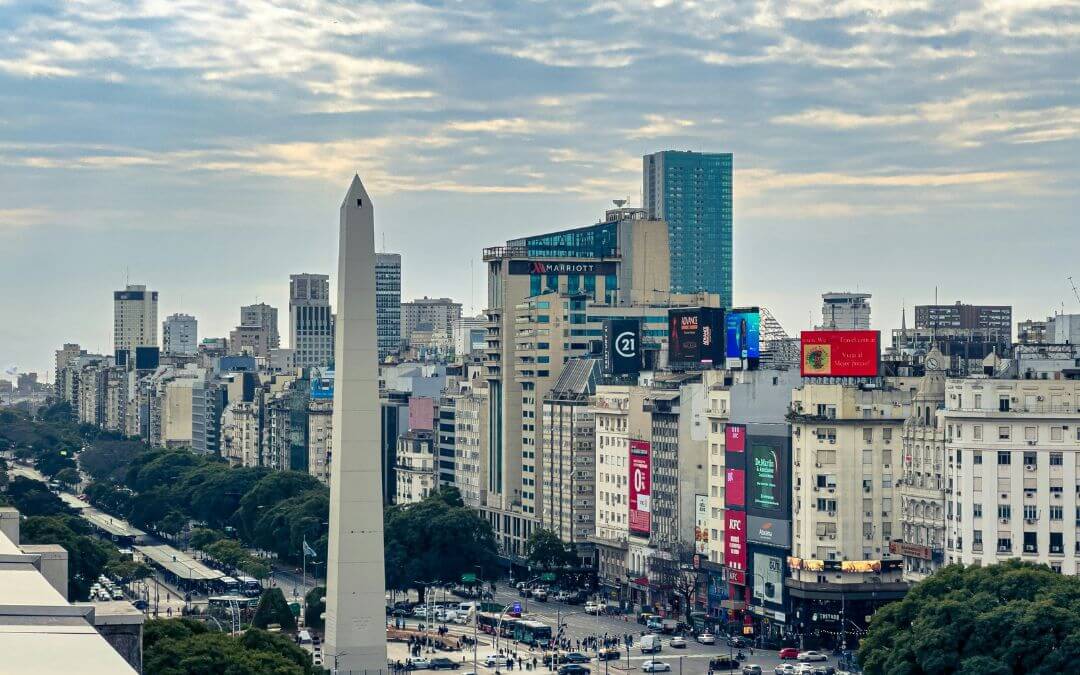
The Obelisco is one of Buenos Aires’ best-known symbols, a tall white monument that rises from the center of the city. It was built in the 1930s to mark the anniversary of the city’s founding. It stands on Avenida 9 de Julio, often described as one of the widest avenues in the world, with many lanes of traffic and a strong sense of scale. It is an easy place to stop for photographs and gives a good feel for the city’s ambition.
La Boca and Caminito Street
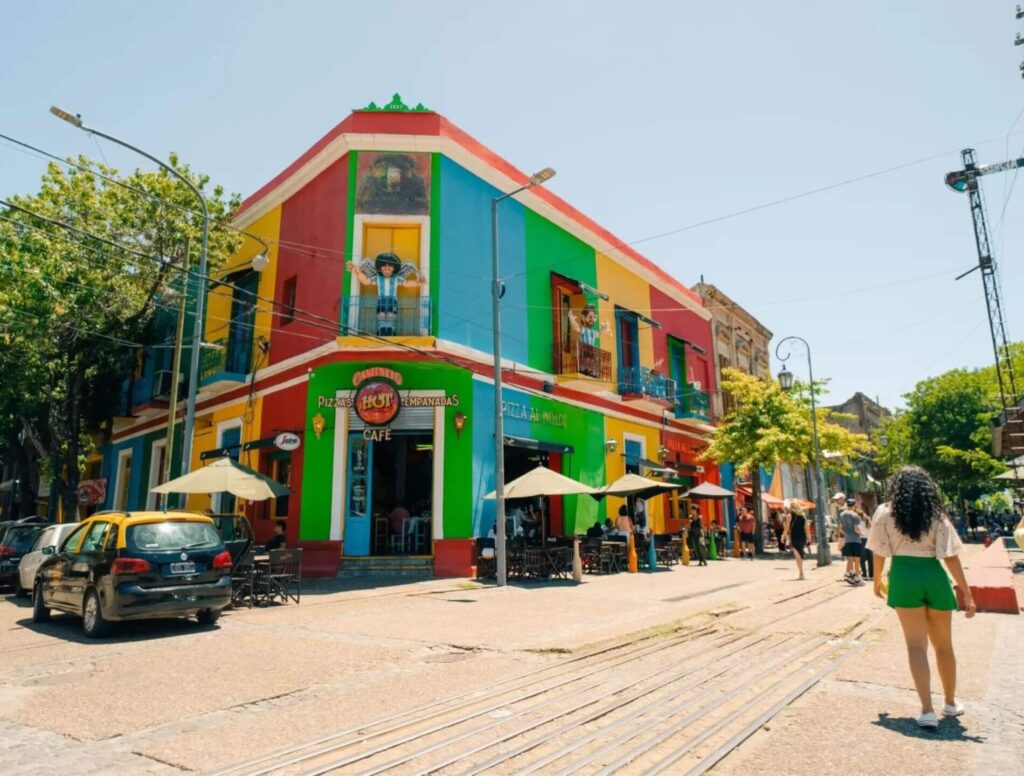
La Boca is among the most colorful districts in the capital. Caminito is a small street museum where brightly painted houses, sculptures, street art, and tango dancers fill the lanes. It is hugely popular with visitors and is strongly tied to the city’s immigrant and tango history. It is touristy, but it remains one of the most photogenic corners of Buenos Aires.
Recoleta Cemetery and Recoleta Neighbourhood
Recoleta Cemetery is a maze of ornate tombs, marble statues, and narrow lanes, and many notable figures from Argentine history are buried here, including Eva Perón. The surrounding neighborhood has elegant buildings, galleries, cafés and a lively weekend craft market, so it is easy to spend several hours in the area.
Puerto Madero
Puerto Madero shows the modern side of the capital. Former dockside warehouses have been turned into restaurants, offices, and apartments, and the pedestrian paths along the water are ideal for a relaxed stroll. The standout landmark is the Puente de la Mujer, a white, sculptural pedestrian bridge that is especially striking at sunset.
Palermo and Its Green Spaces
Palermo is the largest and most varied barrio, with parks, rose gardens, lakes, and a Japanese garden offering a break from the city bustle. Around them are cafés, designer shops, bars, and restaurants. If you are building a list of the best places to visit in Buenos Aires, Palermo offers a relaxed counterpoint to the busy historic center.
Best Ways to Get Around Buenos Aires
The city is large, so your choice of transport affects how much you can see. Most visitors combine several methods, which is often the most practical approach.
Explore the City on Foot
Walking works well in compact areas such as San Telmo, Recoleta, and the center. It lets you wander into small cafés, spot street art, and browse local markets that you would miss from a vehicle. The main limitation is distance. Attractions in different barrios can be far apart, so walking is best for exploring one area at a time rather than moving between distant parts of the city.
Use the Buenos Aires Subte (Underground Metro)
The Subte is the city’s underground network and is useful for moving between central areas quickly, especially at busy times when road traffic slows down. It can make Buenos Aires public transport easy to use for short and medium trips. Before travelling, check the lines, operating hours, and payment requirements, as these can change.
Travel by Local Buses and Taxis
Colectivos, the local buses, run across almost every part of the city and are a key part of Buenos Aires public transport. They cover wide areas, but routes can be confusing at first, so it helps to check your journey in advance. Taxis and app-based services are convenient for late evenings, short hops, or when you are carrying bags. Check fares and routes before you set off, and use trusted options.
Overall, getting around Buenos Aires is easiest when you match the method to the journey. For many visitors, the best way to get around Buenos Aires is a mix of walking for local exploring, the subte or colectivos for longer rides, and a sightseeing bus for the main highlights.
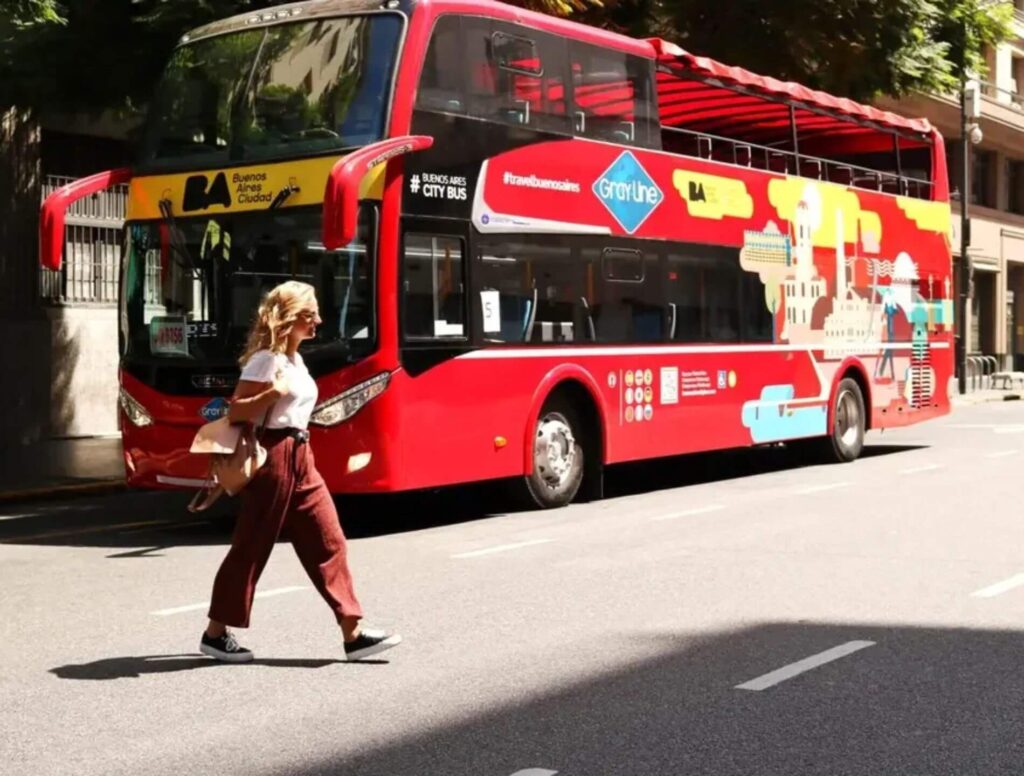
Explore the City with a Buenos Aires Hop On Hop Off Bus
How Does a Hop-On, Hop-Off Bus Tour Work?
The concept is simple. You buy a ticket and board the bus at one of its designated stops, then ride the route and leave the bus whenever you want to explore an attraction. When you are ready to continue, you rejoin a later bus at the same stop or another one. This lets you explore nearby sights independently while still having a dependable way to reach the next district.
Ticket validity and routes vary, so check the operator’s current information before you book, including the stops covered, the hours of service, and how long your ticket lasts.
Enjoy Major Landmarks from a Sightseeing Bus
A sightseeing bus lets you see different parts of the city in a single journey, with fewer transfers and less route planning. Many services offer panoramic views from the upper deck and audio commentary in several languages, where available, which adds context about the places you pass. For first-time visitors, this is an easy way to get a feel for how the city fits together before deciding where to spend more time.
Why Consider This Option for Your Buenos Aires Trip?
If your time is limited, the Buenos Aires Hop On Hop Off Bus can help you cover more ground without working out each journey separately. It helps link attractions across different neighborhoods and gives you a structured sightseeing experience while leaving room for independent exploring. Many visitors find that a Buenos Aires sightseeing bus works well as a base for the trip, supported by walking and public transport. A Buenos Aires bus tour is also a good way to decide which areas deserve a longer visit later in your stay.
Experience the Local Culture Beyond the Main Attractions
Landmarks are only part of the picture. The city’s culture is best experienced through its music, markets, food and cafés.
Experience an Authentic Tango Performance
Tango was born in the working-class districts of Buenos Aires and remains central to Argentine identity. You can watch a polished stage show in a theater or dinner venue or visit a milonga, a traditional social dance where locals dance in a relaxed setting. Even if you do not dance, watching one is a memorable way to connect with the city.
Visit Traditional Markets and Local Streets
San Telmo Market and the surrounding streets are a favorite for browsing antiques, handicrafts, vintage items and souvenirs. The area is especially lively on weekends, when stalls and street performers fill the lanes. It is a good place to pick up local crafts and soak up the atmosphere of one of the oldest barrios.
Taste Traditional Argentine Food
Food is a major part of Buenos Aires travel experiences. Asado, the traditional barbecue, and Argentine steak are famous, while empanadas make an easy snack at any time of day. Dulce de leche appears in desserts, pastries, and alfajores. Trying local dishes helps you understand the culture, so make time for at least one long meal.
Enjoy Buenos Aires’ Café Culture
Cafés are part of daily life in the capital. Historic cafés with ornate interiors sit alongside neighborhood spots with outdoor seating, where locals spend hours over coffee and pastries. Taking a break in one is a pleasant way to rest between stops and add depth to your Buenos Aires sightseeing. Combined with a guided route, these moments make a Buenos Aires city tour feel complete.
How to Plan the Perfect One-Day Buenos Aires Sightseeing Itinerary
If you only have a day, a clear route helps you see the highlights without too much backtracking. This plan moves from the historic center to the waterfront and then to a more relaxed evening.
Morning: Explore Historic Buenos Aires
Start at Plaza de Mayo and Casa Rosada while the streets are still quiet. From there, continue towards the Obelisco and Avenida 9 de Julio, stopping at nearby central sights along the way. This part of the city is compact enough to explore on foot.
Afternoon: Discover La Boca and Puerto Madero
After lunch, head to La Boca and walk through Caminito and its colorful streets. Then travel to Puerto Madero for waterfront views and a relaxed walk, including the Puente de la Mujer.
Evening: Enjoy Recoleta or Palermo
Finish in Recoleta, where the historic surroundings, cemetery, and cafés are enjoyable in the late afternoon. Alternatively, spend the evening in Palermo, where restaurants, bars, and nightlife keep the area busy after dark.
To connect these areas, you can combine walking, the Subte, colectivos, and a sightseeing bus. If you are wondering how to see Buenos Aires in one day, mixing methods usually works best. A Buenos Aires Hop On Hop Off Bus can help link several of these stops, but check the latest Buenos Aires sightseeing bus routes and operating times before you plan, as they can vary by season and operator.
Essential Travel Tips for Exploring Buenos Aires
A little preparation makes the trip smoother. This short Buenos Aires travel guide covers the basics.
Choose the Right Time to Visit
Summers are hot and humid, which can make long days of walking tiring, while winters are cooler and milder. Spring and autumn are popular for sightseeing because the weather is generally comfortable, and the parks and streets are at their best.
Understand Local Transport Payments
Many visitors use the SUBE card for public transport, so it is worth finding out how it works before you travel. Payment arrangements can change, so check current rules for Buenos Aires public transport and what applies to foreign visitors. Planning will make Buenos Aires transportation for tourists less stressful.
Stay Aware of Your Surroundings
As in any major city, keep your belongings secure in crowded tourist areas, markets, and on public transport. Avoid displaying valuables, and use trusted transport options, especially at night.
Plan Attraction Visits in Advance
Check opening hours, entry fees, and booking requirements before you go, as some places require reservations or have limited days. Allow extra time for travelling between neighbourhoods, since traffic can slow journeys.
How to Choose the Right Sightseeing Experience in Buenos Aires
There is no single best option, so it helps to compare a few factors:
- Walking tours, public transport and bus tours: Walking is great for depth in one area, public transport is economical, and a bus tour covers more ground with less effort.
- Ticket validity and route coverage: Check how long the ticket lasts and which neighbourhoods the route passes through.
- Number and location of stops: Make sure the stops include the attractions you most want to see.
- Audio commentary and languages: Confirm which languages are available and how detailed the commentary is.
- Extras and additional services: See whether optional experiences or other services are included.
Gray Line: The Buenos Aires Hop-On, Hop-Off Bus Tour is one option visitors can consider when comparing sightseeing experiences. Reviewing its tickets, route, and features alongside other choices will help you decide whether a Buenos Aires Hop On Hop Off Bus suits your plans. A Buenos Aires bus tour is often a good starting point, so choose the one that fits your pace.
Final Thoughts
You can explore Buenos Aires in many ways: on foot, by metro and bus, by taxi, or by sightseeing bus. The most rewarding trips combine historic attractions, cultural experiences, and time in different neighborhoods. The best transport choice depends on your budget, your schedule, and how you like to travel. For an easy way to see the city’s major highlights, the Buenos Aires Hop On Hop Off Bus is a flexible option worth considering.


