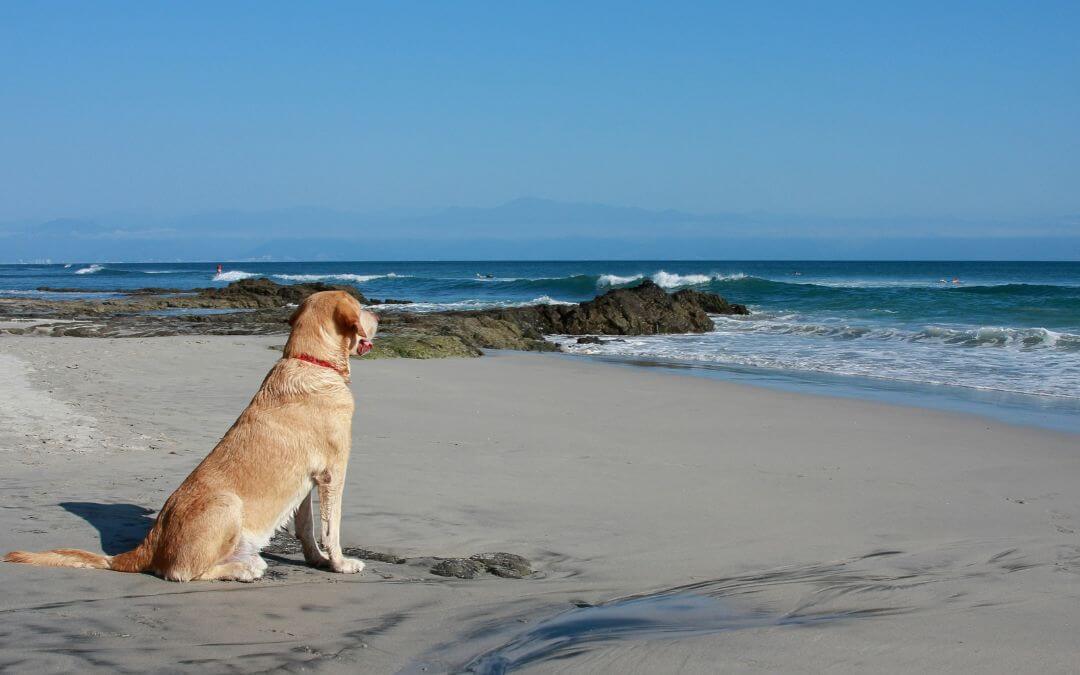
Why a Beach Vacation Can Be Surprisingly Demanding for an Older Dog
Heading to the beach with an older dog? Here are some ways to keep your furry companion safe and comfortable.
A beach vacation sounds like the perfect getaway for a dog. There’s fresh air, plenty of space to wander, and an endless supply of interesting smells. Watching your dog trot along the shoreline is one of those simple pleasures that makes traveling with pets so rewarding.
But what feels like a relaxing afternoon for you can be surprisingly tiring for an older dog.
Soft sand, hot temperatures, and unfamiliar surroundings can put extra pressure on aging joints and muscles. Even dogs that still enjoy their daily walks might struggle with the physical demands of a beach trip.
That doesn’t mean senior dogs should miss out on seaside adventures. It simply means their needs deserve a little more attention.
Understanding how beach environments affect older dogs can help you plan a safer, more comfortable vacation that you’ll both enjoy.
Walking on Sand Is Harder Than It Looks
Walking across a sandy beach requires considerably more effort than strolling along a pavement.
Firm ground provides a stable surface for your dog’s paws. Sand, particularly when it’s dry and loose, shifts beneath every step. Your dog must work harder to maintain balance and move forward.
For senior dogs, this additional effort can become uncomfortable relatively quickly.
Aging dogs may already experience reduced muscle strength, stiffness, or joint discomfort. Walking on uneven sand can make these problems more noticeable, particularly around the hips and hind legs.
You might notice your dog slowing down, stopping frequently, or choosing to lie down after a relatively short walk.
A simple adjustment is to stay closer to the waterline, where damp sand is usually firmer and easier to navigate. However, avoid sloping sections of the beach, as walking on an incline can place uneven pressure on your dog’s legs.
Keep walks short and allow your dog to set the pace. There’s no need to cover the entire coastline to enjoy a memorable afternoon together.
Heat and Sun Exposure Can Become Overwhelming
Beach temperatures can be deceptive. A pleasant sea breeze might keep you comfortable while your dog struggles with the heat.
Older dogs can have a harder time regulating their body temperature, particularly if they have existing health conditions. Unlike humans, dogs primarily cool themselves through panting. When temperatures rise, this cooling process may become less effective.
Hot sand creates another concern.
Sand exposed to direct sunlight can become uncomfortable or even burn sensitive paw pads. Before heading onto the beach, place the back of your hand against the sand to check its temperature.
If it feels too hot to touch comfortably, it’s unsuitable for your dog’s paws.
Plan beach visits during the early morning or late afternoon, when temperatures are generally lower. Bring plenty of fresh drinking water, a portable bowl, and a shaded place where your dog can rest.
Never assume that access to the ocean will keep your dog cool. Swimming requires energy, and seawater isn’t safe for dogs to drink.
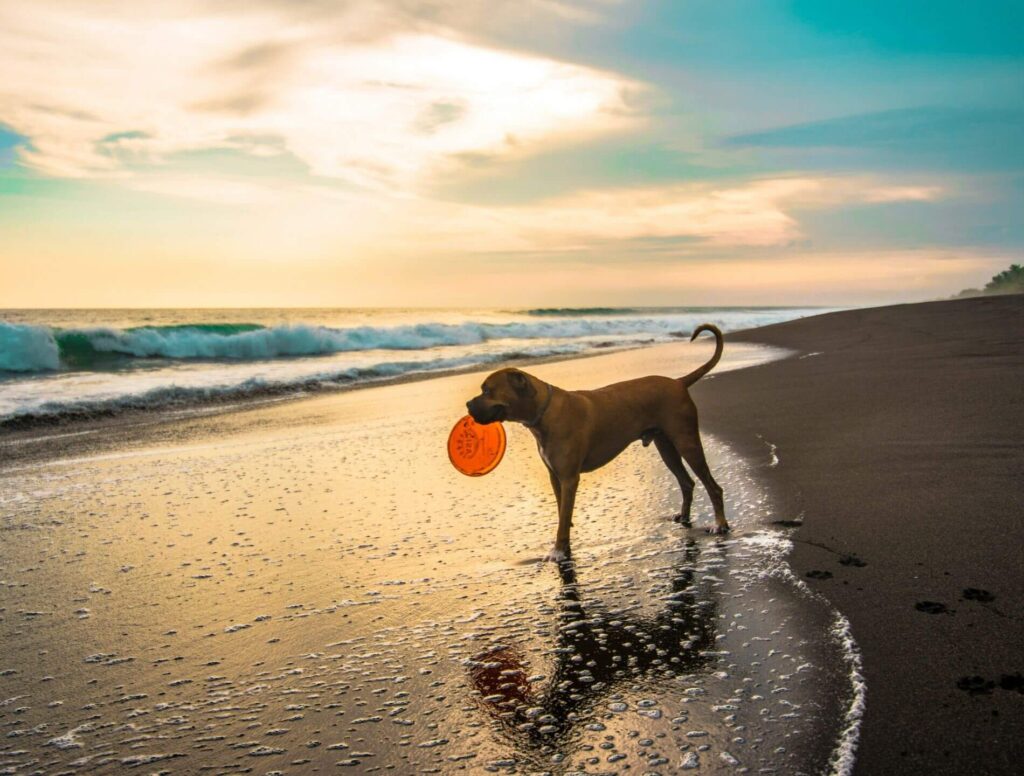
Existing Joint Problems Can Make Beach Activities Uncomfortable
Joint stiffness is a common concern among aging dogs. Activities that were once effortless, such as running, jumping, and climbing, may gradually become challenging.
A beach vacation introduces unfamiliar movements that can aggravate existing discomfort.
Your dog might need to climb over dunes, negotiate rocky paths, or jump into a vehicle after spending time on the sand. These movements can be particularly difficult for dogs experiencing reduced mobility.
For owners already managing age-related joint concerns, Pup Labs offers Freedom Joint Drops, a supplement formulated to support canine joint health. However, supplements should complement veterinary advice rather than replace appropriate treatment.
If you’re considering additional joint support before traveling, you can review the product information and shop now from Pup Labs. Be sure to discuss its suitability with your veterinarian.
It’s also worth thinking about the journey itself. Long car rides may leave older dogs feeling stiff, especially when they’ve been lying in the same position for extended periods.
Schedule regular stops, use a supportive travel bed, and consider a portable ramp if your dog struggles to jump into the car. These small changes can make arriving at your destination much more comfortable.
Swimming Can Be More Exhausting Than Expected
Many dogs love splashing in the ocean, but swimming in open water presents different challenges from playing in a calm backyard pool. Waves, currents, and changing water depths make swimming physically demanding.
An older dog with reduced stamina might become tired much sooner than expected, even if they were once a confident swimmer. Some dogs also become excited around water and continue playing long after they should have rested.
Watch closely for signs of fatigue, including slower movements, difficulty keeping their head above water, or reluctance to continue. Choose calm, shallow areas and avoid beaches with strong currents or unpredictable waves.
A properly fitted canine life jacket can provide additional support, although it doesn’t replace close supervision.
Never force a reluctant dog into the water. For some senior pets, standing in shallow water and watching the waves is more enjoyable than swimming. Afterward, rinse away saltwater and sand, paying particular attention to the paws and skin folds.
Dry your dog thoroughly before returning to your accommodation.
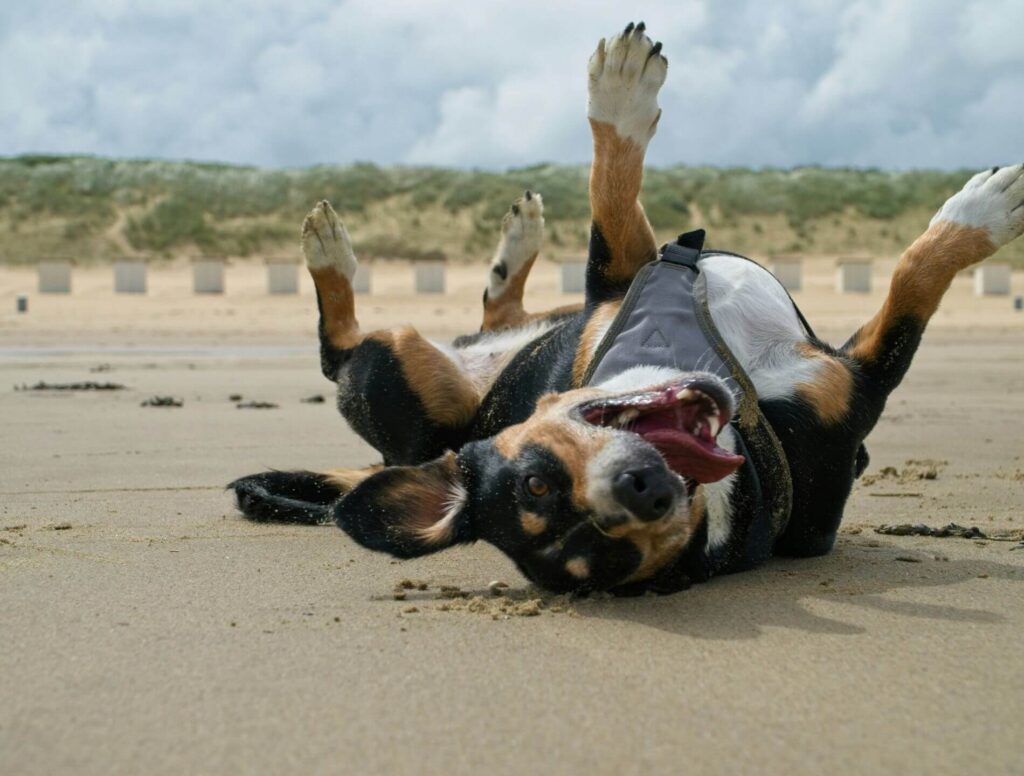
Unfamiliar Surroundings Can Increase Stress and Fatigue
Physical activity isn’t the only thing that makes beach vacations demanding. Travel introduces unfamiliar sounds, smells, people, and routines. While some dogs enjoy these changes, others find them unsettling.
Busy beaches can be especially overwhelming for older dogs with declining hearing or vision. Running children, unfamiliar animals, and sudden noises may cause confusion or anxiety. Even an otherwise sociable dog might prefer a quieter environment as they age.
Choosing the right accommodation and beach location can make a significant difference. Look for destinations with easy access to quiet stretches of sand, shaded outdoor areas, and minimal stairs.
Before booking, check local dog restrictions, including seasonal beach rules and leash requirements. Pack familiar belongings, such as your dog’s usual bedding, favorite toy, and regular food. Maintaining normal feeding and sleeping routines can help your pet feel more settled.
Most importantly, build downtime into your itinerary. Your dog doesn’t need to accompany you on every excursion. Sometimes, a peaceful afternoon resting in a comfortable room is exactly what they need.
Conclusion
Beach vacations can still be wonderful experiences for older dogs, provided their comfort comes before an ambitious travel itinerary. Soft sand, high temperatures, swimming, and unfamiliar environments can create physical challenges that aren’t immediately obvious.
Pay attention to your dog’s energy levels, provide frequent breaks, and choose activities that suit their current mobility. If you notice persistent limping, unusual fatigue, or signs of pain, seek veterinary advice rather than pushing ahead with your plans.
Remember, a successful vacation isn’t measured by how far you walk or how many activities you complete. For your senior companion, sitting beside you in the shade, enjoying the sea breeze, and watching the waves might be the happiest part of the entire trip.