
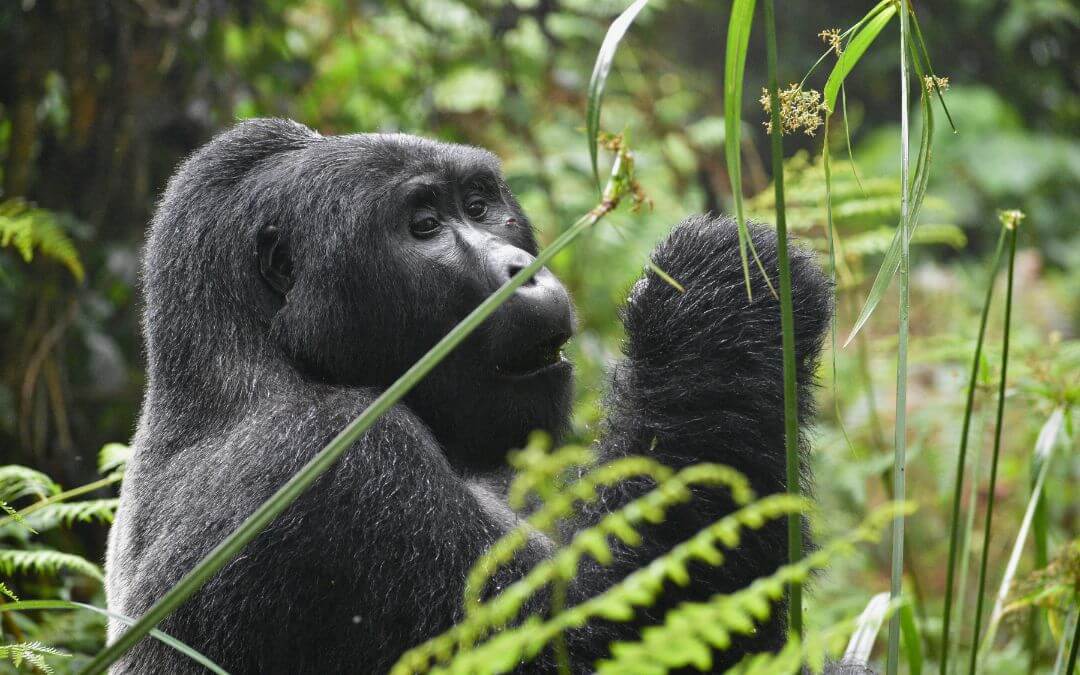
10 Things to Know About Mountain Gorilla Trekking in Rwanda
Mountain gorilla trekking in Rwanda is an experience like no other. Here are 10 tips to ensure you have the best and most memorable time.
Rwanda’s most iconic residents live deep within the misty forests of those hills. These endangered primates live in habituated groups, calm enough to allow intimate encounters with human visitors. We’re talking about the mountain gorillas of Volcanoes National Park.
While movies and documentaries have tried to capture the magic of these gentle giants, nothing compares to the feeling of seeing them in person. If you are planning a trip to East Africa, mountain gorilla trekking should be at the top of your list. It is a profound experience that focuses on conservation, community, and a deep respect for the natural world.
Also read: What Is the Best eSIM for International Travel in 2026?
1. Why Choose Volcanoes National Park?
In the northwest corner of Rwanda, within the Virunga Massif, sits Volcanoes National Park. It is home to a significant number of the world’s remaining mountain gorilla population. Here, visitors can enjoy a trekking experience that is designed to be intimate and low-impact. Groups are kept small, and visitors are granted a strict one-hour window with the gorillas to ensure the animals are not taken out of their daily routines.
2. Conservation at Its Core
The rehabilitation and recovery of the mountain gorilla population is one of Africa’s biggest conservation success stories. To fund this programme, every trekking permit purchased contributes directly to the protection of the park.
To top it off, 10% of all tourism revenue is sent back to local communities through a special revenue-sharing programme. This money helps to build schools and clinics for the people living near the park borders, thus making the locals the primary guardians of the forest.
3. The Morning Briefing
The trek begins early with a safety and etiquette briefing at the park headquarters in Kinigi. This is where you will learn the rules of the forest, like keeping a safe distance and avoiding direct eye contact if a silverback moves closer. It’s also a great time to enjoy some local coffee and watch a traditional dance performance.
4. Meeting Your Gorilla Family
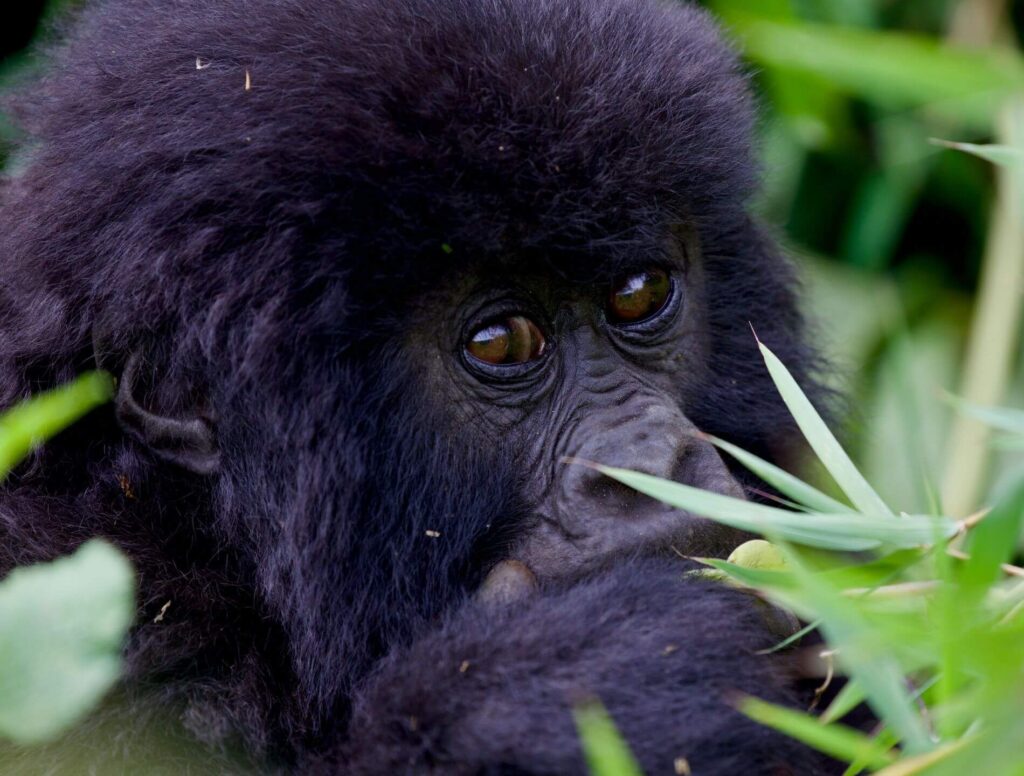
After the briefing, each group are then assigned to one of several habituated gorilla families based on their fitness levels and current trail conditions. One famous troupe is the Susa family, which was originally studied by Dian Fossey on the slopes of Mount Karisimbi. These close encounters with the gorilla families feel like stepping into a living piece of conservation history.
5. The Difficulty of the Hike
The trek itself can look so different depending on where the gorillas were the night before. Some groups may find their assigned family within an hour, while others may hike for four or five hours through steep mud and bamboo-covered terrain at high altitudes. It’s safe to say that you need to be prepared for a solid workout.
6. When is the Best Time to Go?
While gorilla trekking is a year-round activity, the drier seasons from June to September and December to February come with steadier trails and clearer visibility for photos. During the rainy seasons, the trails can get quite slippery. However, this means that the gorillas often stay at lower, easier-to-reach elevations to find bamboo shoots.
7. What to Pack
The forest is breathtakingly beautiful, but it is rugged. To make it through safely, you will need sturdy, waterproof hiking boots with good ankle support. It is also important to wear long pants and long-sleeved shirts to protect against stinging nettles and insects. Many seasoned trekkers also suggest bringing gardening gloves to help you grab onto branches or vines during the steeper parts of the climb.
8. Hiring a Porter
It is highly recommended to hire a local porter at the trailhead. For a small fee, they provide invaluable assistance on slippery slopes and help you carry heavy packs. Beyond the physical help, this is a direct and meaningful way to support local livelihoods and ensure the community benefits from tourism.
9. Photography Etiquette
The forest canopy can be quite dense, so having a low-light performance camera is key. However, remember that flash photography is strictly prohibited, as it can agitate the gorillas. While everyone wants to get the perfect shot, it’s important to remember to put the camera down for a few minutes and just soak in the experience.
10. Starting Your Journey in Kigali
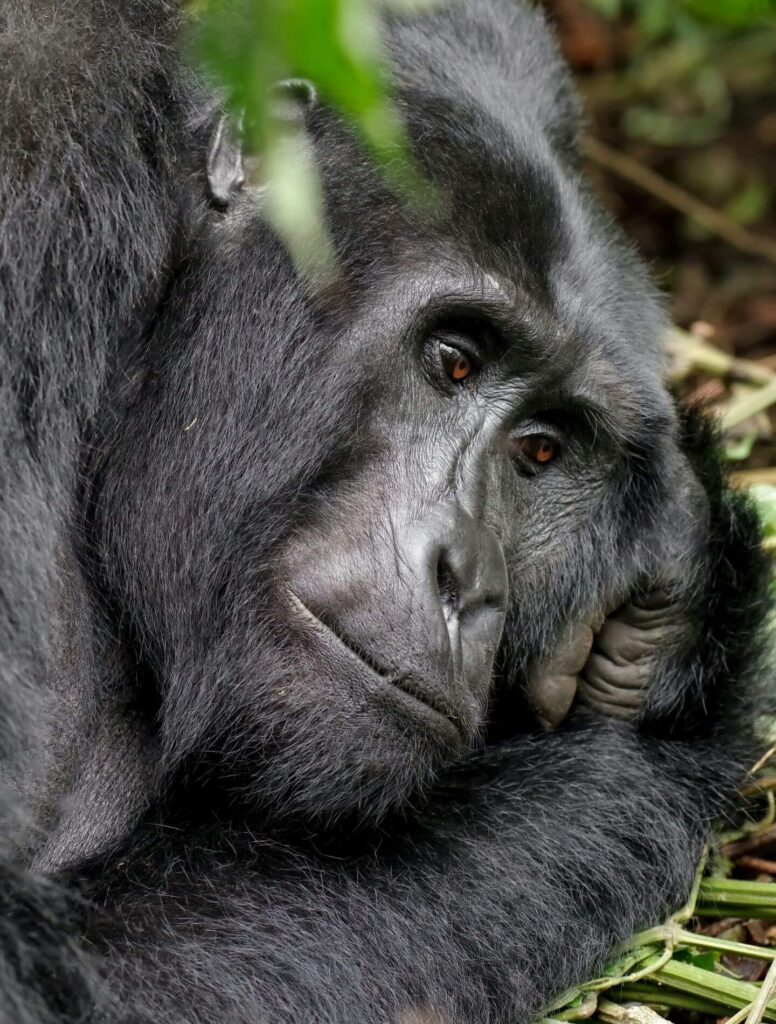
Most journeys to the park begin in Rwanda’s capital, Kigali. Before heading into the mountains, visitors are encouraged to visit the Kigali Genocide Memorial. A walk through the memorial provides essential historical context and a deeper understanding of the resilience and spirit of the Rwandan people. From Kigali, it is a scenic two-and-a-half-hour drive to the park.
Conclusion
Mountain gorilla trekking in Rwanda is a lesson in the power of dedicated conservation. By visiting these incredible creatures in their mountain home, you contribute to a system that protects endangered species while empowering the local Rwandan people. Whether watching a massive silverback lead his family or observing a curious baby gorilla, it is a life-changing encounter that stays with you long after you’ve left the Land of a Thousand Hills.


