
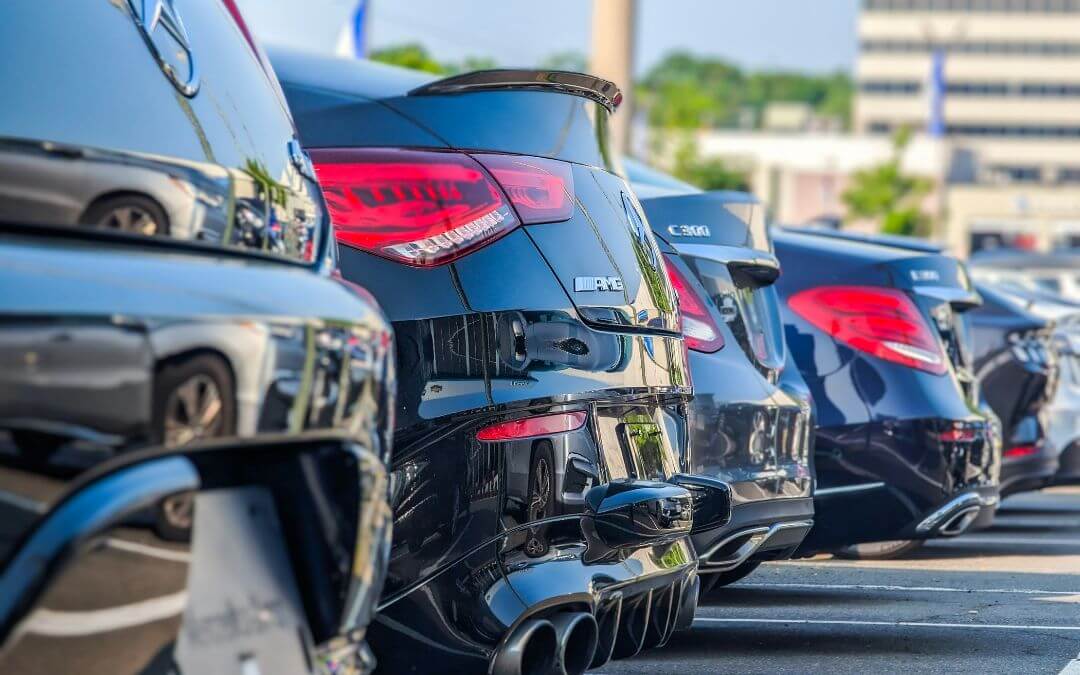
How to Inspect Your Rental Car: The Essential Checklist That Saves You Money
Inspect your rental car before driving off the lot. It can save you money and give you peace of mind. We detail the proper steps to take.
A rental company boosted its damage claim recovery by 65% just by using a proper inspection process.
Most of us focus on reaching our destination rather than checking the vehicle’s condition when renting a car. But skipping this significant step could expose us to unfair damage charges or safety issues. A detailed rental car checklist reduces the chances of problems during your rental period and can save you hundreds in disputed damages.
We’ve created an inspection guide that covers everything you need to check before driving off the lot. Running through these items helps ensure a smooth trip and protects you financially. Some dealerships have achieved 100% damage expense recovery by using similar inspection procedures.
In this piece, we’ll show you what to check when renting a car. You’ll learn about simple safety features and how to document pre-existing damage to prepare yourself before hitting the road.
Also read: From Convenience to Cost Savings – The Perks of Renting a Car for Travel
Get Familiar with the Car Before Driving
You should take a few minutes to get familiar with your rental vehicle after receiving the keys and before hitting the road.
The driver’s seat needs to be adjusted so you can reach the pedals comfortably and see over the dashboard. Your hands should be at the 10 and 2 o’clock positions on the steering wheel to maintain proper control.
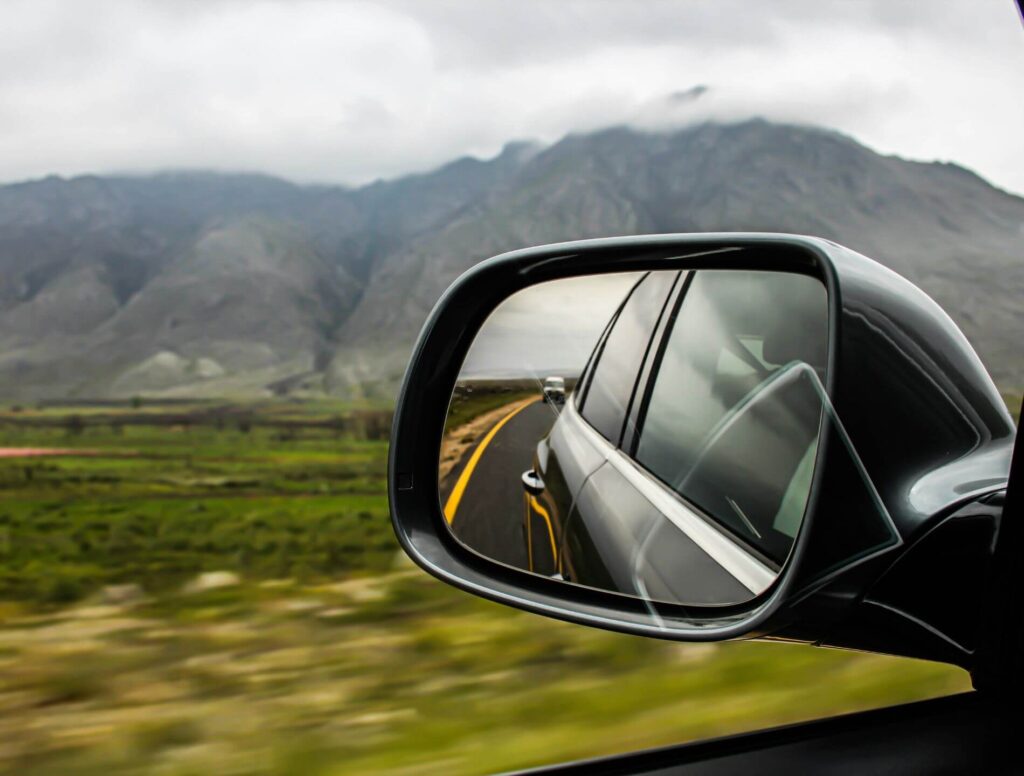
The mirrors require proper setup. You should lean your head against the window to adjust the driver’s side mirror until you see a small portion of your car’s rear as a reference. The passenger mirror needs a similar adjustment – lean toward the center console to set it right. The rearview mirror should be centered to give you a clear view through the back window.
Make sure to test these essential controls:
- Headlights, high beams, and automatic settings
- Windshield wipers and speed adjustments
- Climate control and defrosters
- Cruise control functions and settings
On top of that, you need to locate the parking brake mechanism – whether it’s an electronic parking brake (EPB) switch or a traditional lever. Most modern vehicles come with customizable digital dashboards, so take time to explore these screens before driving.
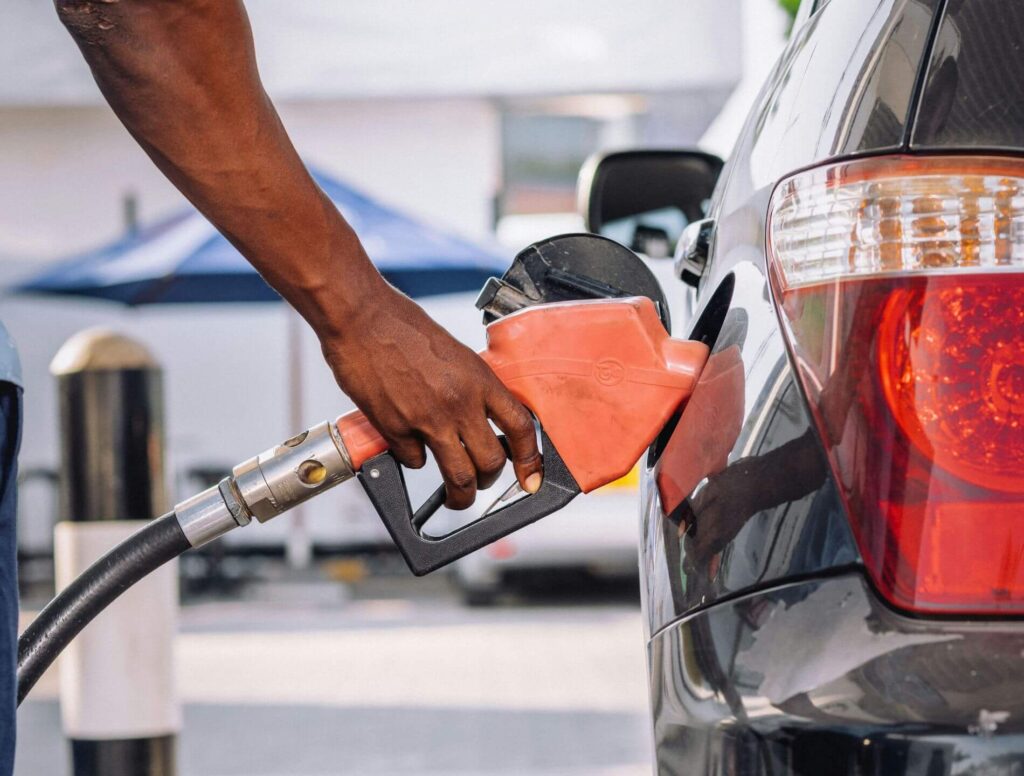
Listen for unusual sounds when you start the engine. The fuel gauge needs checking – rental companies usually want the car returned with the same amount of gas as when picked up.
These simple checks help prevent distracted driving and ensure a safe trip.
Test Key Features and Safety Systems
Your safety depends on proper car systems that protect you during your trip. When you inspect your rental car, start the checklist by testing all lights and signals.
Check if headlights, taillights, brake lights, turn signals, and hazard lights work properly. Working lights keep you and other drivers safe on the road.
The climate control system needs testing next. Make sure both heating and air conditioning work well. This helps you avoid any discomfort in extreme weather.
Test each seatbelt by buckling and unbuckling it. Note that airbags work with seatbelts, not as their replacement. Frontal airbags have saved more than 50,000 lives in the last 30 years.
Learn how to use cruise control if the car has it. This feature helps on highways, but you should avoid it in bad weather or heavy traffic.
Watch for dashboard warning lights that use different colors to show urgency:
- Red lights need immediate attention
- Amber/yellow lights show problems that need attention soon
- Green usually means normal operation
Contact the rental company right away if warning lights come on and check the vehicle handbook. Red warning lights or serious mechanical problems mean you should stop driving.
Listen for any strange engine noises that could mean trouble. A quick drive around the parking lot helps spot problems before you leave the rental location.
Inspect, Document, and Confirm Policies
A proper inspection of your rental car’s condition is nowhere near as common as it should be. Research shows that 70% of renters have reported problems with their vehicles. This makes a detailed inspection before driving off really important.
Inspect your rental car by walking around the car and looking for any damage before leaving the lot. Check all surfaces for scratches, dents, and paint issues. The windshield needs inspection for cracks or chips that could affect visibility. Pay special attention to the bumpers, doors, and roof.
Document everything with time-stamped photos or videos of existing damage. Here’s what you need to capture:
- All four sides of the vehicle
- Close-ups of any visible damage
- The car with the rental facility visible in the background
- The odometer reading and fuel gauge
The tires need a good check too – both tread depth and pressure matter. A new tire should have a tread depth of 7-8mm, while anything under 2mm isn’t safe to drive on. Make sure you can find the spare tire, jack, and lug wrench.
The fuel gauge reading should match your rental agreement. Double-check that the mileage numbers line up with your paperwork, too.
The rental company’s return policies are something you need to know upfront. Most companies give you a 29-minute grace period when returning the car. Remember to fill up the tank unless you’ve already paid for their refill service.
If you get into an accident during the rental period, contact police right away. File an accident report, notify the rental company, and keep everything in writing, including who told you what and when. If the process starts to feel confusing or you’re not sure what to do next, ConsumerShield has guides that outline the basic steps, and, if the situation warrants it, it can also connect you with a lawyer who handles this kind of claim.
Conclusion
A full inspection of your rental car pays off throughout your trip. Here are the steps that protect you financially and keep you safe on the road.
You should get familiar with all vehicle controls before leaving. This simple step helps you avoid distracted driving and builds confidence behind the wheel. Test all safety systems – from lights and signals to climate control and seatbelts. These features keep you safe when unexpected situations arise.
The most important part is to document the car’s condition. Take clear photos of any damage and verify that the fuel level matches your paperwork. This documentation protects you from unfair charges after you return the vehicle.
A few minutes spent on this inspection checklist can save you hundreds of dollars and stress later. Your rental experience becomes smoother when you find issues upfront rather than miles away from the rental location.
Rental companies value customers who follow proper procedures. Your careful attention to detail shows responsibility and protects your finances. This checklist will help you drive away confidently and return without disputes the next time you rent a car.


