Underwater Photography Tips: Protecting Your Gear with Scuba Equipment Maintenance
Underwater photography is exhilarating! To ensure you get the most out of your time in the water, follow these tips to protect your gear.
Underwater Photography Tips
Maintaining your scuba gear and underwater photography equipment is crucial for a safe and enjoyable diving experience. Proper care not only extends the lifespan of your gear but also ensures optimal performance in underwater environments. These tips will help you protect your investment and capture stunning underwater moments without compromise.
When planning a dive, it’s essential to ensure that all your equipment is in perfect working condition. A key component of this preparation involves safeguarding your underwater cameras from potential hazards like corrosion and water damage. Regular maintenance directly impacts the durability and performance of your photography gear. Whether you’re a seasoned diver or a beginner, understanding the intricacies of equipment care is vital for preserving both your scuba gear and your photographic memories.
Also read: How to Edit Stunning Videos: Tips and Tricks for Travelers

Understanding the Importance of Scuba Gear Maintenance
Scuba diving is an exhilarating activity that offers glimpses into the mesmerizing world beneath the waves. However, to fully enjoy this experience, maintaining your scuba gear is imperative. Regular inspection and servicing of items like regulators, tanks, and wetsuits can prevent unexpected failures while diving. This enhances safety and improves the overall quality of your dive.
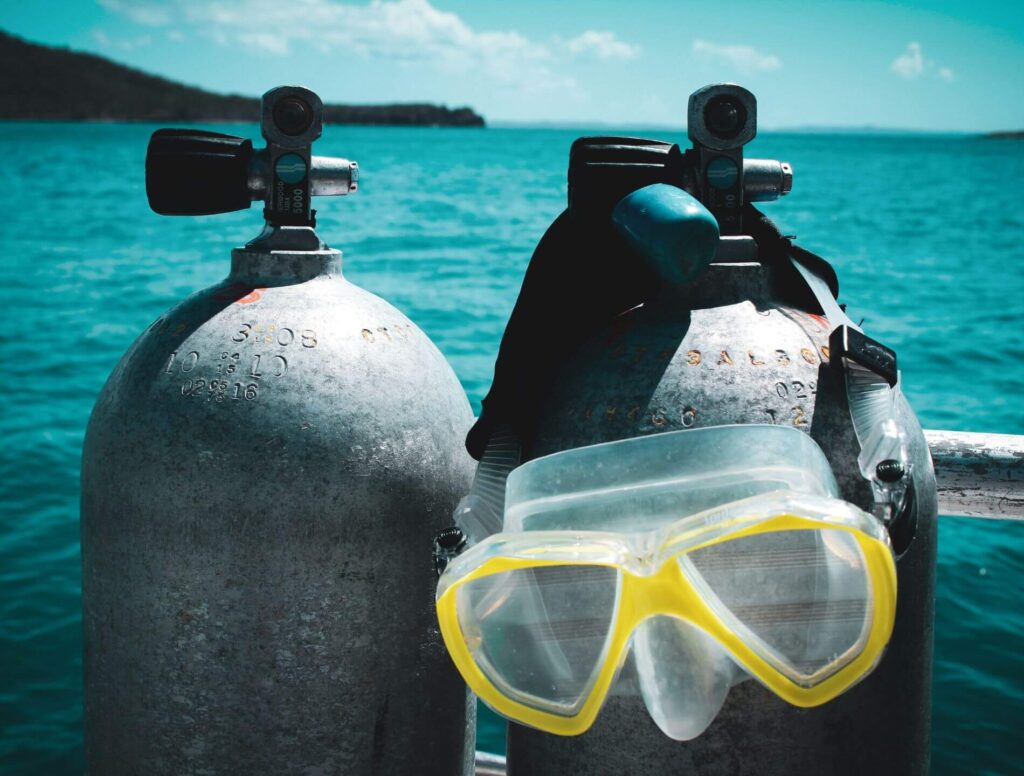
Your regulator, which controls the air supply, requires particular attention. After each dive, rinse it thoroughly with fresh water to remove any salt deposits that could lead to corrosion. Moreover, storing it properly when not in use helps in avoiding unnecessary wear and tear. The tank should be filled and stored correctly to prevent rust formation inside, ensuring a reliable air supply during dives.
A well-maintained wetsuit is also crucial for thermal protection. After each use, rinse it with fresh water and let it dry away from direct sunlight to avoid material degradation. These simple yet effective maintenance practices contribute significantly to prolonging the life of your scuba gear, ensuring you remain safe and comfortable underwater.
Regular maintenance also extends to dive computers and pressure gauges, which are critical safety instruments. These devices should be calibrated annually and battery levels checked before each dive session. The accuracy of these instruments can mean the difference between a safe dive and a potentially dangerous situation. Additionally, keeping detailed maintenance logs helps track service dates and identify patterns of wear, allowing for better planning of replacements and repairs.
Essential Care Tips for Underwater Cameras
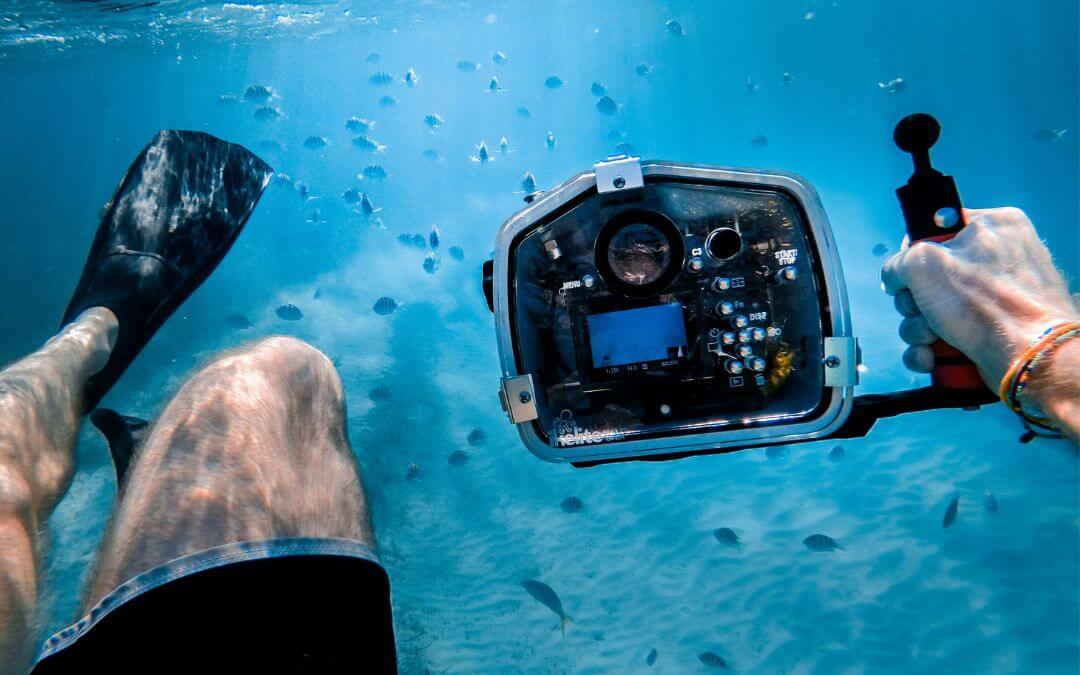
When it comes to capturing the wonders of the deep sea, underwater cameras are indispensable tools for divers. However, these devices face unique challenges due to their exposure to saltwater and pressure changes. To safeguard your investment, it’s crucial to follow specific care routines that address these challenges effectively.
After each dive, make it a habit to rinse your camera with fresh water immediately. This step removes any salt residue that could corrode sensitive parts over time. Additionally, regularly inspect O-rings and seals for wear and replace them if necessary to maintain a watertight enclosure. Properly functioning seals are essential in preventing water ingress that could damage electronic components.
Storing your camera in a cool, dry place when not in use further protects it from environmental stressors. Avoid exposing it to extreme temperatures or direct sunlight for extended periods as these conditions can harm both the camera body and its battery life. By adhering to these maintenance tips, you ensure that your camera remains reliable and ready to capture beautiful marine vistas on every dive.
Integrating Preventive Measures Into Diving Routines
Incorporating preventive maintenance into your diving routine is vital for ensuring equipment longevity and operational efficiency. Developing a checklist before each dive can help identify potential issues early on, reducing the risk of malfunctions underwater. This proactive approach conserves equipment and enhances diving safety.
Your checklist should include examining all gear connections, testing functionality, and verifying charge levels or air supply sufficiency before heading into the water. Establishing this habit minimizes surprises during dives and provides peace of mind as you explore aquatic landscapes.
Moreover, regular professional servicing of complex components like regulators or housings should not be overlooked. These services are essential in identifying hidden faults that may not be evident through casual inspection alone. Partnering with authorized service centers ensures that your equipment meets safety standards, ultimately improving both performance and longevity.
Enhancing Diving Experiences Through Careful Equipment Management
Caring for both scuba gear and photography equipment plays a significant role in enhancing your overall diving experience. By implementing diligent maintenance routines, you can focus more on enjoying what lies beneath rather than worrying about potential equipment failures.
The joy of capturing marine life or landscapes becomes more rewarding when using well-maintained tools that perform optimally under pressure. Regular upkeep preserves functionality and reduces long-term costs by avoiding frequent replacements or repairs.

Final Thoughts
Ultimately, well-cared-for equipment allows you to fully immerse yourself in underwater adventures without distractions from technical issues. This focus on preparation maximizes both safety and enjoyment levels while exploring diverse marine ecosystems across the globe.