
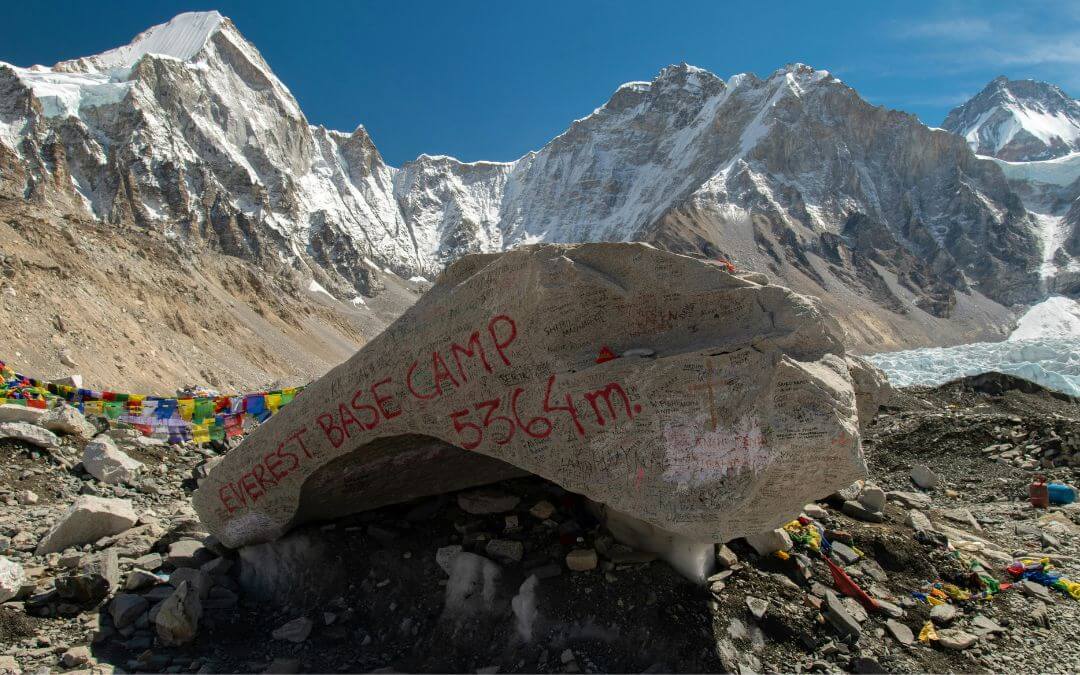
Everest Base Camp Trek Cost 2026: Complete Budget Breakdown
Planning the Everest Base Camp trek? Learn the true 2026 cost, from permits and flights to food, accommodation, gear rental, tips, and daily trail expenses.
How Much Does the Everest Base Camp Trek Actually Cost? (Honest 2026 Breakdown)
You open three trekking websites to price your Everest Base Camp dream, and the quotes stare back at you: $999, $1,800, $4,500. Same mountain, same trail, same two weeks. So which number is real? That confusion is exactly where most first-time trekkers lose money, either overpaying a glossy agency or booking a suspiciously cheap deal that quietly bills them at the airport.
Here’s why this matters: the Everest Base Camp trek cost isn’t one figure, it’s a stack of them. Permits, the Lukla flight, your guide, food that gets pricier with every step up the valley, and a long list of “extras” nobody mentions until you’re paying $5 to charge your phone at 5,000 meters. Miss those, and your budget cracks halfway through the trek.
This guide fixes that. I will break down every real expense for 2026, separate the price you’re quoted from the money you’ll actually spend, and show you what a rock-bottom package secretly cuts. By the end, you’ll know your true number, and how to spend it wisely.
The Short Answer: Real Everest Base Camp Trek Cost in 2026
Here’s the honest range. The Everest Base Camp trek cost in 2026 falls into three clear bands, depending on how you travel:
- Independent trek: $1,000 – $1,500. You arrange your own permits, flights, teahouses, and food. No guide or porter.
- Standard guided trek: $1,400 – $2,500. A licensed guide, a porter, your Lukla flights, permits, lodging, and most meals are bundled into one price. This is what most first-timers choose.
- Luxury trek: $3,000 – $5,500+. Smaller groups, nicer lodges, senior guides, and often a helicopter ride out from Gorak Shep.
If you want one number to plan around, budget $1,800 – $2,200 for a comfortable, fully guided 14-day trek with a sensible safety buffer.
But here’s the catch, and it’s the whole reason this post exists: the price you’re quoted is rarely the money you actually spend. A package can say “$1,449” and still leave out lunch, tips, hot showers, charging, bottled water, and travel insurance. Those gaps add up fast on a two-week trek.
So instead of throwing one figure at you, the rest of this guide splits the quoted price from the true trip cost, so the number you plan for is the number you’ll really pay.
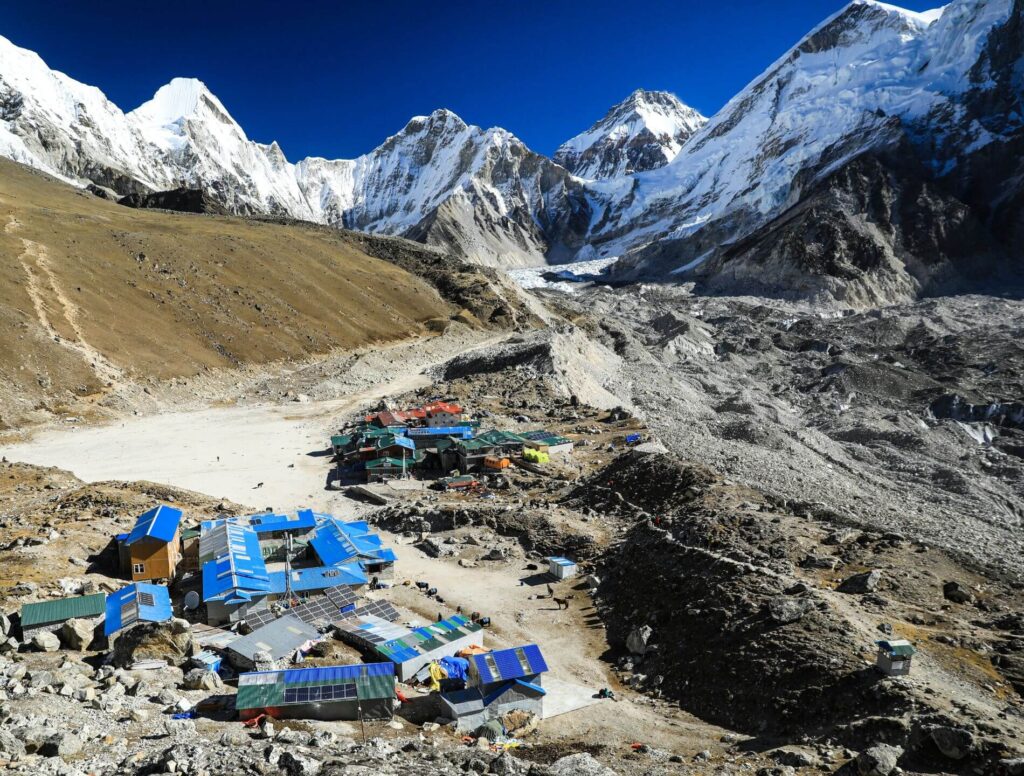
Full Cost Breakdown of the Everest Base Camp Trek
Your total cost is really five smaller costs stacked together. Once you see each one clearly, the big number stops feeling random. Here’s where your money actually goes.
1. Permits and Entry Fees
You need two permits for this trek. The Sagarmatha National Park Entry Permit costs around $20, and the Khumbu Pasang Lhamu Rural Municipality Permit (the local fee) costs around $20. You can get the park permit in Kathmandu or at Monjo on the trail, and the local permit in Lukla or Monjo. Together they run roughly $40.
One thing that trips up older guides and outdated blogs: the TIMS card is no longer needed for the standard Lukla-to-Base-Camp route. Don’t let anyone charge you for it. Permit fees are set by the government and change now and then, so check the current rate before you go.
2. The Lukla Flight (Your Biggest Fixed Cost)
The short flight from Kathmandu to Lukla is the priciest single item that almost never gets discounted. A return ticket sits around $360–480 for foreign trekkers, depending on the season.
In busy months (spring and autumn), flights often shift to Ramechhap, a small airport about five hours by road from Kathmandu, to ease air traffic. That swap saves nothing once you add the drive. Because seats are limited and weather rules everything here, this cost stays firm no matter how you book.
3. Guide and Porter Costs
A licensed guide costs about $25–35 a day. A porter, who carries up to 20–25 kg, costs about $20–25 a day. Remember you also cover their food and lodging on the trail, which adds roughly $10–15 a day per person. In a guided package, all of this is folded into one price.
Worth knowing: foreigners normally need a guide booked through a registered agency. The Everest region has been more relaxed about solo trekkers than other areas, but rules shift, so confirm the current situation before planning a trek without one.
4. Food and Accommodation on the Trail
Food and beds get more expensive the higher you climb, and there’s a simple reason: everything up there is carried in by porter or yak. A plate of Dal Bhat that costs about $3 lower down can hit $10–12 near Gorak Shep. The good news is Dal Bhat usually comes with free refills, so it’s the best value meal on the mountain.
A teahouse bed starts around $5 a night low down and climbs as you go higher. Expect to spend roughly $25–50 a day on food and drinks if you’re paying as you go.
5. Gear: Buy at Home vs. Rent in Kathmandu
Four items matter most: a warm down jacket, a four-season sleeping bag, sturdy boots, and trekking poles. Buying all of this new at home can run $600–1,200.
If you only plan to trek once, rent instead. Shops in Thamel, Kathmandu, charge about $1–3 per item per day, so the whole kit costs around $80–150 for the trip. Boots are the one thing worth bringing broken-in from home.
The Hidden Costs Nobody Quotes You (Day-by-Day)
Your package covers the big stuff. What it usually skips are the small daily charges that pile up fast once you’re on the trail. None of these show up in a quote, but you pay them almost every day.
Here’s what you spend money on as you climb, and what each one roughly costs:
- Charging your phone or camera: $2–5 per hour. Lodges run on solar and generators, so power isn’t free.
- Wi-Fi: $2–5 per hour, or about $60 for an Everest Link card with limited data. The signal is slow and patchy.
- Hot shower: $3–6. Rare and cold above Lobuche, no matter what you pay.
- Bottled water: $1–4 a litre low down, climbing to $4–5 near the top. This adds up more than anything else.
- Snacks: A chocolate bar that’s $1 in Kathmandu costs $4–5 high up. Bring your own from Thamel.
So how much does all this come to? On a 12–14 day trek, these self-paid extras realistically add $300–500 on top of your package price, even when meals are included.
The smartest fix is your water. Carry purification tablets or a filter bottle instead of buying bottles. That one habit can save you $50–100 over the trek and cuts down on plastic too.
Add these extras to your budget from the start. They’re the main reason a trip ends up costing more than the quote promised.
How to Lower Your Everest Base Camp Trek Cost (Without Cutting Safety)
The cheapest way to do Everest Base Camp is to trim the costs that don’t matter, while never touching the ones that keep you safe. Here’s where you can genuinely save:
- Join a group departure: Sharing a guide, porter, and transport with other trekkers can cut $200–400 off a private package for the exact same route.
- Pick the shoulder season: Trekking in late November or early March instead of peak October or April means cheaper teahouse prices and less competition for beds.
- Purify your own water: Tablets or a filter bottle save you $50–100 over the trek and spare you the rising price of bottled water.
- Pack snacks in Kathmandu: A box of energy bars from Thamel costs a fraction of what you’ll pay for the same bar at altitude.
- Rent gear, don’t buy: If this is a one-time trek, renting your down jacket and sleeping bag in Thamel saves hundreds.
Now the line you should never cross. Saving money is smart. Cutting safety is not.
A suspiciously cheap package usually pays for itself by underpaying the guide, skipping insurance checks, or quietly leaving out your Lukla flight. A tired, underpaid guide may push you up too fast to finish quickly, which raises your altitude risk.
So save on water, snacks, gear, and timing. Never save on your guide’s experience, your insurance, or proper acclimatization days. Those are the costs holding your trek together.
Final Words
So what’s the real number? For most people, a comfortable, fully guided Everest Base Camp trek lands between $1,800 and $2,200 once you add the extras nobody quotes. The trick is to remember that the price you’re shown and the money you actually spend are two different things. Permits, the Lukla flight, food that climbs with altitude, daily charges, and a safety buffer all belong in your budget from day one.
Here’s the bottom line: the lowest quote is rarely the cheapest trek. The smartest trekkers save on the things that don’t matter, water, snacks, gear, and timing, and never on the things that do, like an experienced guide, proper insurance, and enough days to acclimatize.
Plan with the true number in mind, not the brochure one, and you’ll reach Base Camp without a single nasty surprise waiting in your wallet.
FAQs
1. How much should I budget in total for EBC?
Budget $1,800–$2,200 for a comfortable, fully guided 14-day trek with permits, flights, food, tips, gear, and a small buffer. Tight budget trekkers can manage closer to $1,200–$1,500 by going independent and renting gear.
2. Is it cheaper to trek independently or with a guide?
Independent trekking is cheaper on paper, often $1,000–$1,500 versus $1,400 and up for a guided trip. But the savings shrink fast once you factor in the safety, local knowledge, and problem-solving a good guide brings when things go wrong.
3. Can I still trek to Everest Base Camp without a guide?
The Everest region has stayed more relaxed about solo trekkers than other parts of Nepal, so it’s often still possible. Rules change, though, so always confirm the current requirement before planning a trek without one.
4. How much should I tip my guide and porter?
A common range is $100–200 total for your guide and $60–120 for your porter on a two-week trek. Tipping is expected here, not optional, and is usually given in cash at the final dinner.
5. Are international flights included in EBC packages?
No, packages almost never include your international flights to and from Nepal. They usually do cover the domestic Kathmandu–Lukla flight, so always check the fine print.
6. What’s the cheapest month to trek?
Winter (December–February) and the monsoon months (June–August) tend to have the lowest prices and fewer crowds. For cheaper rates with better weather, aim for late November or early March.


