A Practical Guide to Global Entry for Today’s Traveler
Discover how to navigate the complex world of modern travel red tape. Learn about Global Entry, digital nomad permits, and the rise of visa assistance services.
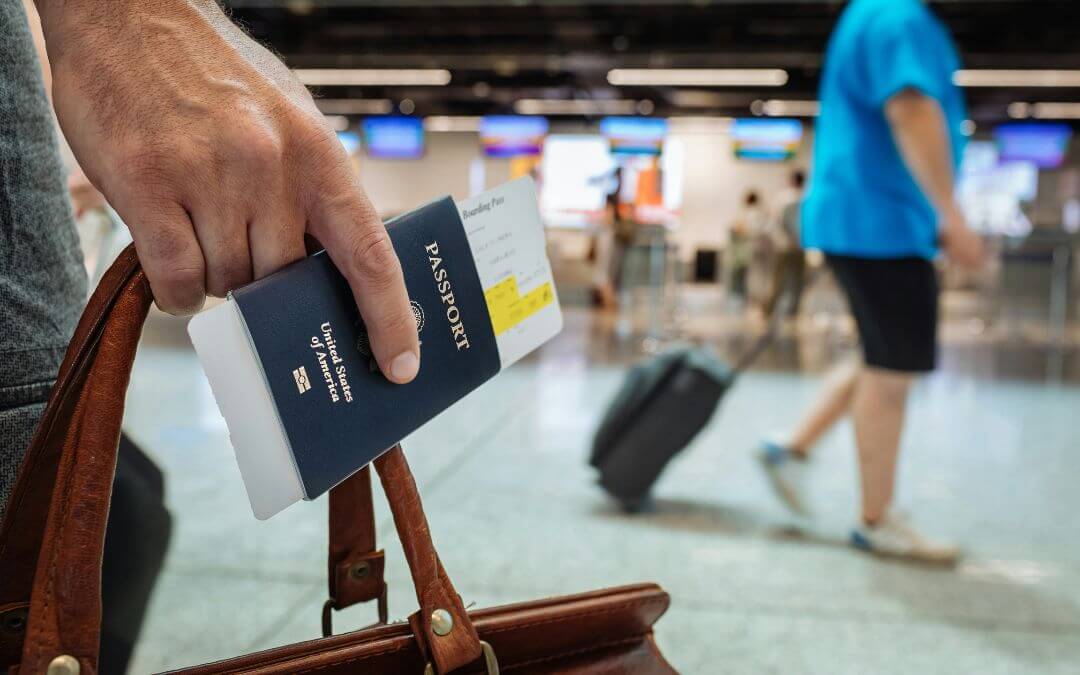
The golden age of travel was once defined by the simplicity of a paper ticket and a leather-bound passport. Today, the landscape looks remarkably different, characterized by a complex web of digital authorizations, health declarations, and biometric scans. While technology has theoretically made the world smaller, the administrative burden on the modern explorer has grown significantly heavier. It has led many to feel a sense of “application fatigue” before they even pack a suitcase.
Navigating international borders in the mid-2020s requires more than just a sense of adventure; it requires meticulous digital preparation. From the implementation of the European Travel Information and Authorisation System (ETIAS) to the proliferation of country-specific digital nomad permits, the hurdles are high. For those who prioritize experiences over paperwork, finding ways to streamline these mandatory processes has become the new priority in travel planning.
One of the most effective ways to cut through this administrative fog is by utilizing a third-party assistance to understand how those kinds of services can manage the heavy lifting of documentation. As travelers look for reliable platforms like Handlevisa to navigate the nuances of global entry requirements, the shift toward “outsourced logistics” is becoming a standard practice. By centralizing the application process, these services help mitigate the risk of common errors that lead to delays or denials.
The statistics regarding international travel friction are telling. According to recent data from the International Air Transport Association (IATA), travelers now spend an average of 1.5 hours more on pre-travel administration than they did five years ago. This surge is largely due to the “fragmented digitalization” of border control. Meaning every nation utilizes a different platform, often with non-intuitive user interfaces that frustrate even the most tech-savvy nomads.
Also read: Working Across Borders – Smart Travel Moves for Global Professionals
The Evolution of Global Entry Systems
To combat these bottlenecks, programs like Global Entry and TSA PreCheck in the United States have set a precedent for “trusted traveler” status. These programs allow pre-approved, low-risk travelers to receive expedited clearance upon arrival. According to U.S. Customs and Border Protection, there are now over 12 million members enrolled in these programs. This highlights a massive demand for faster, more predictable border experiences.
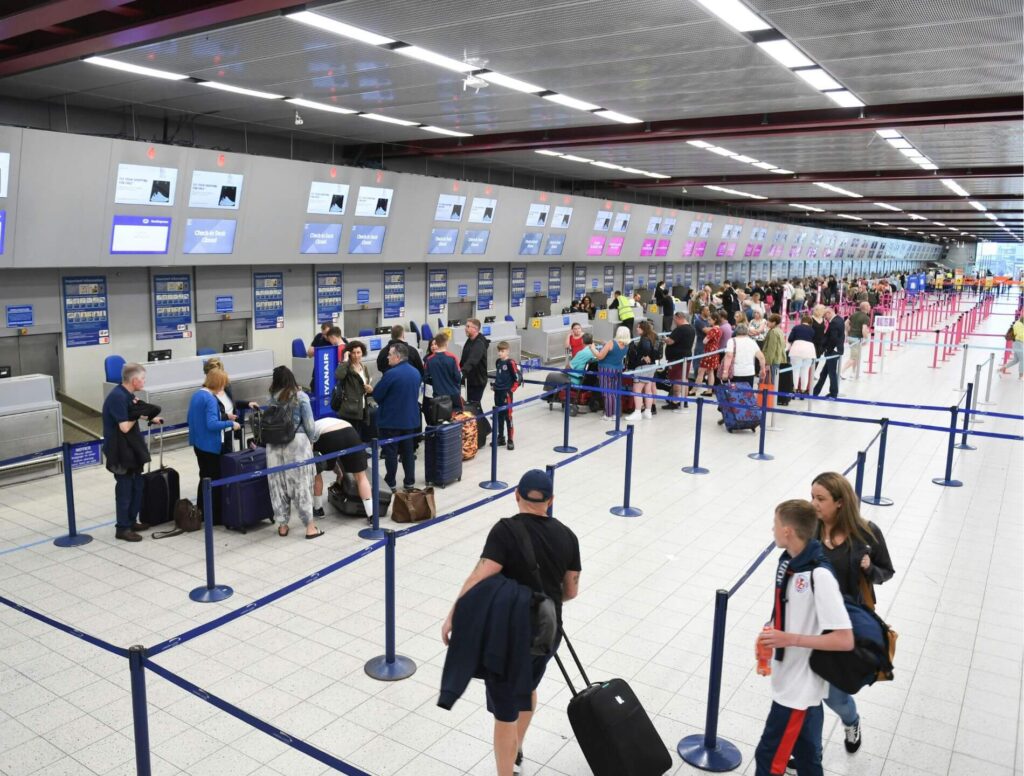
However, the challenge remains for those traveling to regions without a unified expedited entry system. In Southeast Asia and parts of South America, the “Visa on Arrival” (VoA) remains a common but often chaotic experience. Long queues and shifting cash-only fee requirements can turn an exciting arrival into an exhausting ordeal. For those following the “slow travel” philosophy, avoiding these stressful starts is essential to maintaining the joy of the journey.
Why Digital Nomads Are Leading the Shift
The rise of the digital nomad has further complicated the legal landscape. Over 50 countries now offer specific “Remote Work Visas,” each with its own set of income requirements, tax implications, and stay durations. For example, nations like Portugal and Spain have seen a 25% year-over-year increase in applications. Yet, the complexity of the “Type D” visa remains a significant barrier for many.
Outsourcing the bureaucracy has become a survival tactic for long-term travelers. Instead of spending dozens of hours deciphering embassy websites—which are frequently outdated or poorly translated—travelers are increasingly turning to dedicated experts. These experts ensure that every document, from criminal record checks to proof of health insurance, meets the exact specifications of the target consulate.
Strategies for a Stress-Free Arrival
If you are planning a multi-country itinerary this year, the key to success is early intervention. Experts suggest beginning the documentation process at least eight to twelve weeks before your departure date. This window allows for unexpected delays in government processing times, which have fluctuated wildly since 2023 due to increased global travel volume and staffing shortages at various consulates.
Furthermore, maintaining a digital “travel vault” can save hours of frustration. Keep encrypted copies of your passport, birth certificate, vaccination records, and previous visas in a secure cloud-based folder. While digital copies are rarely a substitute for originals at a border, they are invaluable if your physical documents are lost or stolen.
The Human Element in a Digital World
Despite the push for automation, the human element of travel remains irreplaceable. Local laws can change overnight, and digital systems often fail to account for the unique nuances of individual travel history. This is where community-driven advice and professional reviews become vital. Reading about the experiences of others who have recently navigated the same border can provide “on-the-ground” insights that no official government website can offer.
In conclusion, while the world of international travel has undoubtedly become more complex, the tools available to manage that complexity have also improved. By combining the right technology with proactive planning and a bit of professional assistance, the modern traveler can reclaim their time and focus on what truly matters: the culture, the people, and the unforgettable moments that wait on the other side of the gate.
Ultimately, the goal is to transform the “red tape” into a mere formality. Whether you are a weekend warrior or a lifelong nomad, understanding the systems of global entry is the first step toward a more seamless and fulfilling travel experience. Don’t let the paperwork stop you from seeing the world; simply learn how to handle it more efficiently.