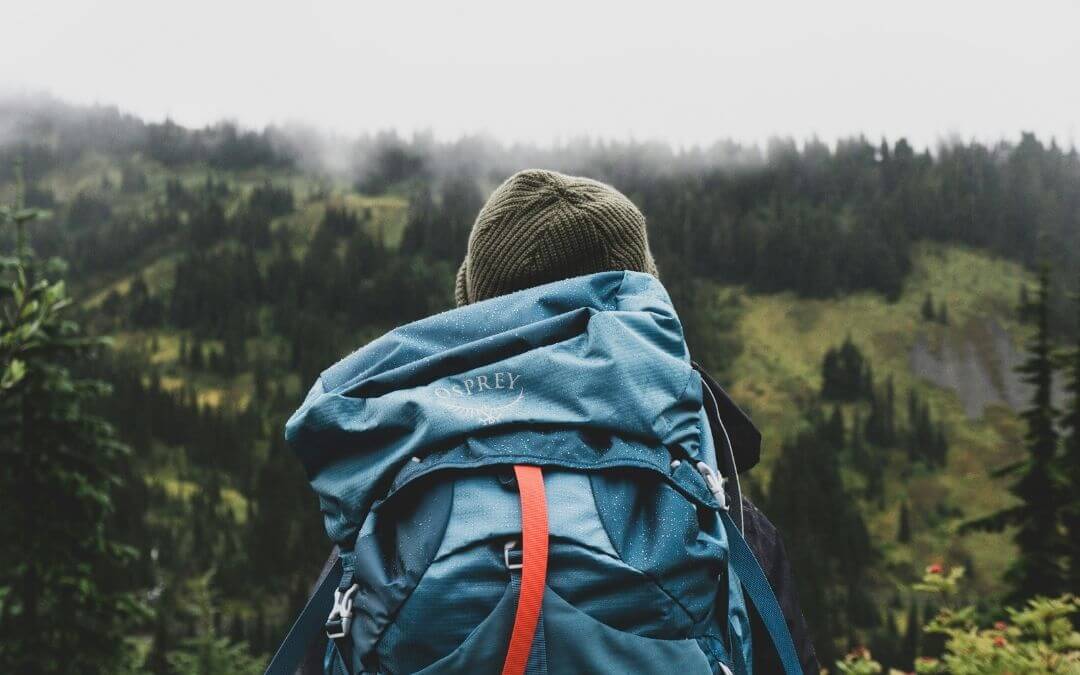
How to Pack the Right Backpack for a Solo Hiking Trip
Knowing how to pack the right backpack is essential for a worry-free solo hiking trip. We have all the information you need for a great hike.
While it might sound easy on paper, there are a lot of nuances to properly packing for a solo hike. Every item has to earn its place, and the backpack itself needs to be balanced. You’ll have some tough choices to make and will need to juggle comfort with preparedness and organization.
Not sure how to make the most out of your backpack’s space and what essentials to bring without becoming overburdened? Our comprehensive solo hike packing guide has got you covered.
Also read: Budget Travel Mistakes That Can Cost You More Than Money
Weight Distribution Matters
When packing for a solo hike, two things matter most: what you choose (not) to bring, and how you pack it. Inexperienced hikers focus on the former and end up sore and more tired than they need to be because they neglected proper weight distribution.
Generally, you’ll want to divide your pack into four areas. The first is the central part of a pack closest to your spine, where you should keep heavy items like cooking supplies, a hydration bladder, etc. Sleeping bags or other bulky items you don’t need immediate access to go at the bottom. Alternatively, you can attach them to the pack from below.
Conversely, put essentials like a first-aid kit and rain jacket inside the top pocket for quick access. Finally, you can stuff the side pockets with snacks, a water bottle, sunscreen, bug repellent, etc. Take care not to have too much gear sticking out of the pack, else it’s likely to snag on branches.
It’s All about Layers
It’s a good idea to undertake your first few hikes in a place with mild climate during temperate weather to get a feel for things under stable conditions. The weather can change abruptly even then, which won’t be a problem if you dress in layers.
The bottom layer should ideally be made from moisture-wicking material to let sweat evaporate and keep you cool during the hottest parts of the day. A lightweight fleece hoodie provides enough warmth at night and in the morning without weighing you down. Finally, you’ll always want to bring a weatherproof layer, like a compact raincoat or a waterproof jacket, if you expect harsh conditions.
A Smart Approach to Food & Water
Keeping your pack lean is essential for a less strenuous hike. That said, it’s better to slightly overdo it with snacks than not have enough to eat and get tired faster as a result. Calorie density and immediate access trump dietary balance. You can stand to live a day off of trail mix and beef jerky if that means not having to stop as much or carry bulky ingredients.
Don’t skimp on water either. It might temporarily be the heaviest thing in the pack, but you’ll be glad you brought extra once the trail starts feeling twice as steep as it looked on the map. Depending on your size and build, carry at least 50 – 65oz or 1.5 – 2 liters of water. Be sure to also bring some electrolytes if you’re hiking in hot weather.
The last thing a solo hiker needs is to be stuck in the middle of nowhere with no means of getting to safety or calling for help. Since you only have yourself to rely on, doubling down on navigation tools makes total sense.
Get a physical map and compass for old-school pathfinding if all else fails. Be sure to also download maps of the trail as well as the general area onto your smartphone.
Connectivity might be harder to pull off, especially if you decide to hike abroad. Public Wi-Fi at hostels, cafes, and trail towns is often your only way to get online, so it’s worth learning about the different types of VPN before you go. The right one will keep your data encrypted on untrusted networks, letting you safely check real-time weather updates and reach emergency services without worrying about who’s snooping on the connection.
Or Essential Safety Gear
One last thing to consider is that you don’t have the luxury of divvying up emergency items amongst hiking companions. That means you’ll need to carry more and even consider redundancy, just in case.
A comprehensive first-aid kit is a must, as is a quality survival knife or multi-tool. A ferro rod will come in handy if your lighter gives out, while a headlamp with extra batteries will make sure darkness doesn’t stop you from getting back on track. Finally, the extra weight of a power bank is a small price to pay for having a reliable way to juice up your smartphone and GPS. With a charged phone, evenings in the tent get a lot more enjoyable too — if you’ve picked the best VPN for streaming beforehand, you can download or watch something from your home library even when you’re hiking abroad.
Conclusion
To sum up, here are the essentials to remain aware of.
- Distribute the pack’s weight evenly for maximum comfort
- Dress in layers and remember to always have a waterproof layer handy for unexpected downpours
- Don’t overburden yourself with food and water, but carry a bit more than you think you’ll need just in case
- Pack plenty of navigation alternatives and make sure you’re reachable, whether hiking at home or abroad
- Be prepared for all eventualities, even if that means carrying extras of a few essential items