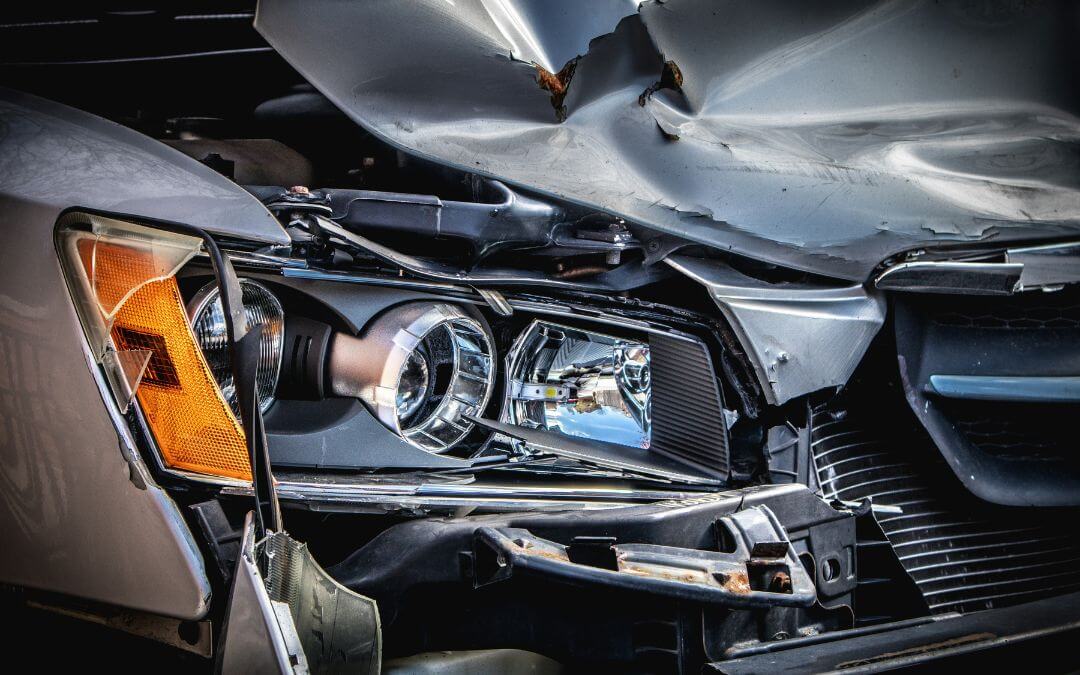
What to Do After a Hit-and-Run Accident
Hit and run accidents are scary situations. Here’s what to do if this happens to you so that you can get the help you need.
A research study conducted by AAA Foundation shows that in 2023, 15% of all crashes that were recorded by the police occurred because a driver fled the scene of the accident. This would ultimately be the peak number during this evaluation time frame. Hit-and-run collisions inflicted 242,886 injuries and 2,872 deaths in the United States.
The aftermath of hit-and-run accidents can result in personal injury and property damage to the vehicle. Often, victims of this accident find themselves confused about whether insurance will cover their medical bills and repair expenses. When a driver hits you and speeds off without any attempt at providing assistance, it is advised that an individual ought to move quickly to protect their legal rights and interests.
When an accident happens, you should always prioritize your safety. You should immediately obtain a police report and find out exactly what you lost. Victims should endeavor to gather any data about the car that drove off and notify their insurance company afterward. If anyone has actually been injured, seeking legal advice from a personal injury attorney could well be helpful.
Let’s find out the steps you need to take immediately after a hit-and-run accident.
The First Ten Minutes Carry Most of the Weight
Always make your health a priority. 911 should be contacted should there be any hurt individuals, besides staying stationary in case of head or spinal injury.
If you have assessed the environment to be safe, include several specifics that can help you win your case. Write down the other car’s color, make, and style. You also need to note the direction the car was driving toward and the time of the day.
Take photos of everything after. Document paint transfer, the height of the scrape mark, debris from the road, where your car ends up, and the intersection. Even the storefront with its camera facing the street. Don’t forget to ask passers-by for their names and numbers before they leave the scene.

Your Own Insurer Ends Up Sitting in the Empty Chair
Without a driver to sue, you will be forced to use the claim on yourself through your own insurance. Businesses in cities with a high number of hit-and-run cases handle uninsured motorist claims on their own terms.
Sacramento sits within California, one of the states the AAA Foundation studied directly. Of the state’s 28,489 fatal crashes between 2017 and 2023, 10.5 percent involved a hit-and-run driver. Working with a Sacramento car accident lawyer can help you deal with uninsured or underinsured situations.
In Illinois, uninsured motorist bodily injury coverage protects you when you’re hit by a driver who flees the scene or by an identified driver with no auto liability insurance. According to the Illinois Department of Insurance, such coverage must provide limits not less than $25,000 for an individual and $50,000 per incident.
The Deadlines Run Shorter Than Most Drivers Expect
The rules in each and every one of the states differ and are constantly changing. For example, in the driver’s manual of the state of California, a driver must contact the local police within the time frame of 24 hours in the event of an accident. The California Department of Motor Vehicles also expects every driver involved in a motor vehicle accident to submit an SR-1 form to them within a span of ten days, provided that such a crash records any injury, death, or more than $1,000 in property loss.
The language in the policy operates on its own timetable, which is much faster. California’s own rule is different from what many drivers expect. Under Insurance Code § 11580.2, a hit-and-run claim generally requires that the fleeing vehicle actually make physical contact with your car or with you. A driver who swerves into your lane and causes you to crash without ever touching your vehicle may not qualify for uninsured motorist coverage on that basis alone. You also have to report the incident to police within 24 hours and notify your insurer within 30 days for the claim to hold up.
What the Numbers Say About Drivers Who Run
In 2023, there were 2,872 hit-and-run fatalities, 7% of total traffic fatalities, and the highest percentage ever recorded. The majority of these affect pedestrians. One out of four pedestrian fatalities or injuries in 2023 occurred in an accident involving a fleeing driver.
2,872 hit-and-run fatalities occurred in 2023. This constitutes 7% of all motor vehicle-related fatalities and is the highest rate documented to date ever. Most of these fatalities involve pedestrians. An analysis of pedestrian statistics reveals that in 2023, one quarter of pedestrian fatalities are such that a fleeing driver is involved.
A driver who realizes that their license has been revoked is more likely to commit a hit and run even when the accident is not related to illegal driving. Once a driver realizes they will be caught, they tend to flee the scene. This phenomenon is why many of these cases remain unsolved. Only 47 percent of drivers in deadly hit-and-run collisions were accounted for by the scholars, making it a sad reality of the hit-and-run menace.
Some states now run public alert systems to help track down these drivers. They rely on witnesses to share what they saw, like a partial license plate or a description of the car.
The driver who left may still appear weeks later, and a claim filed against your carrier does not close that option. What it does is keep the bills moving while the investigation runs its course. The evidence you collect in those first few minutes is the part nobody can rebuild for you afterward.