How to Plan a Budget-Friendly Ski Trip (Even If You’ve Never Skied)
Want to plan a budget-friendly ski trip? We have tips to help you save money so you can spend less time worrying and more time on the slopes.
Skiing has a reputation for being expensive, and it can be. Lift tickets, rentals, lessons and lodging add up fast, especially at big-name resorts. The good news is that a first trip does not have to cost a fortune.
With a bit of planning, you can try the slopes without wrecking your budget. Here is how to do it.
Go When Everyone Else Does Not
Timing is the biggest money saver. Peak season usually runs from mid-December through February, and holidays are the priciest of all. Early and late winter tend to be much cheaper.
Midweek days beat weekends, too. Lift tickets, lodging and lessons often cost less on a Tuesday than on a Saturday. Quieter slopes also make life easier while you find your feet.
Book Early and Book Smart
Lift tickets and lessons are often cheaper when you buy ahead. Flights and rooms near ski areas fill up quickly, so aim to book three to six months out if you can. If you are going very early or late in the season, wait until snow conditions look reliable.
Whenever you book, keep your reservations organized and protected. Our tips on securing travel bookings while you’re on the road can help you avoid costly mistakes.
Start With a Beginner Package
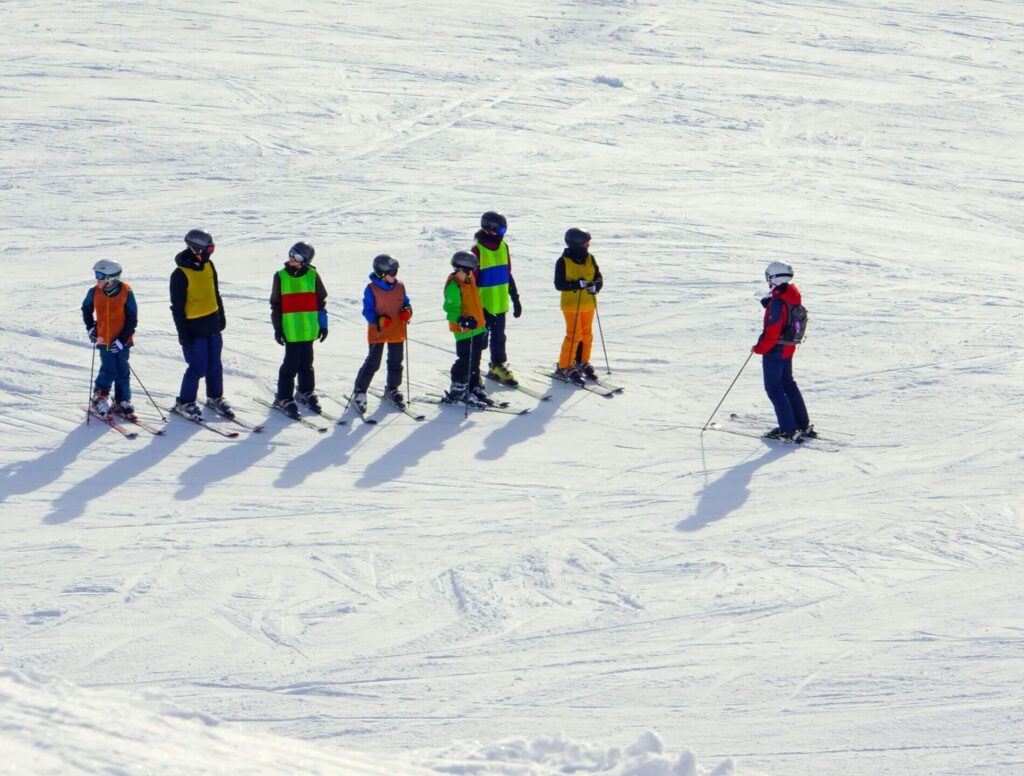
Buying a lift ticket, lesson and rental separately adds up quickly. Many resorts sell first-timer packages that bundle all three at one lower price. Some regional programs even offer multi-day beginner passes that work across several resorts.
A lesson is worth the money. A good instructor will teach you how to stop and turn safely, which makes the day far more fun than learning alone.
Rent First, Buy Later
You do not need to buy anything big for your first trip. Rent your skis or snowboard, boots and helmet, and keep your money in case you decide the sport is not for you. Renting from a shop in a nearby town is often cheaper than renting at the resort.
If you are ready to buy a few pieces, such as goggles, gloves or base layers, compare prices and read the sizing guides first. It helps to look at options from several shops, including Tactics gear, so you know what a fair price looks like. Buying secondhand or borrowing from friends can save even more.
Choose a Smaller Resort
Famous resorts charge famous prices. Smaller or lesser-known mountains often have excellent beginner terrain for far less money. You may find cheaper tickets, lodging and food just a few miles from the big names.
Look at regional resorts close to home before you book a flight, since airfare can cancel out any savings. A shorter trip to a smaller mountain is often the best first experience.
Stay Off the Mountain
Lodging right at the slopes sounds ideal, but you pay for the convenience. Allianz Travel Insurance’s guide to cheap ski vacations notes that ski-in/ski-out lodging typically costs around 15% more than staying in a resort village, and even more than a hotel farther away. Staying in a nearby town, with a short drive or shuttle, can save a lot over a few nights.
Compare vacation rentals and budget hotels across a few dates. A place with a kitchen is a bonus.
Pack Your Own Food
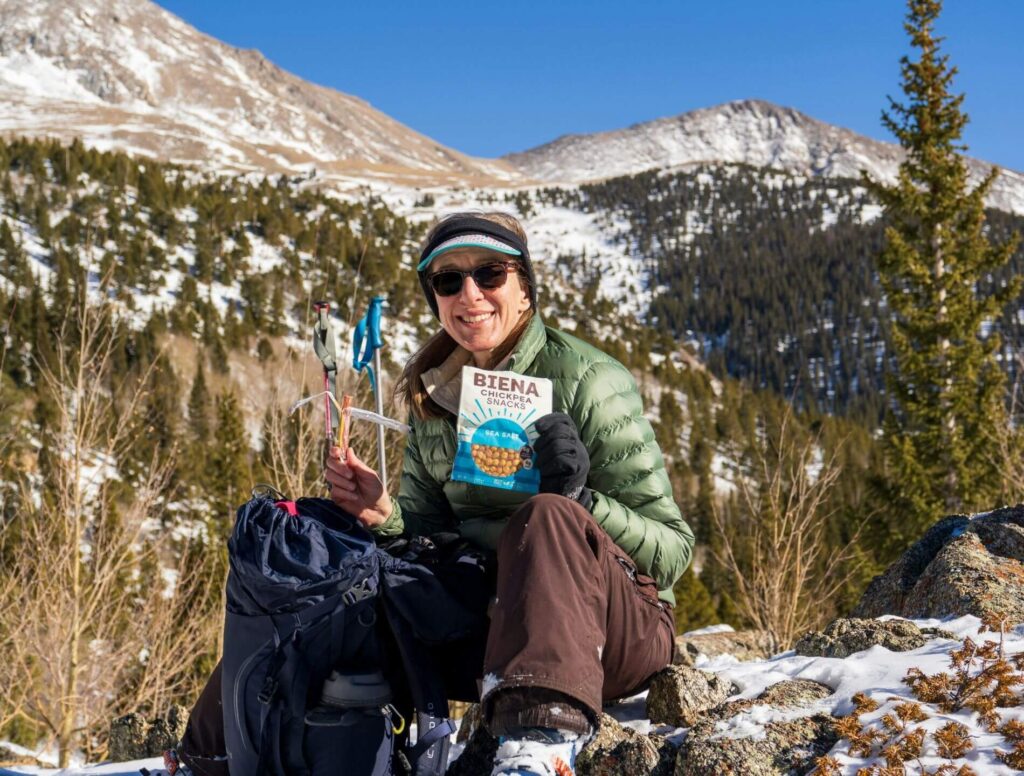
Resort food is expensive, and a simple lunch on the mountain can cost more than your breakfast and dinner combined. Pack snacks like granola bars, trail mix and cheese sticks. Bring a thermos of hot soup or cocoa for the lodge.
If your lodging has a kitchen, cook breakfast and dinner there. It is one of the easiest ways to keep daily costs down.
Wear What You Already Own
You probably have more ski-ready clothes than you think. Thermal tops, fleece layers and waterproof pants work well, and layering lets you adjust as the day warms up. Borrow anything you are missing from friends or family.
Skip buying a full new wardrobe for one trip. Save your budget for the lesson and the lift ticket.
Final Thoughts
A first ski trip does not need to be fancy to be fun. Pick the right dates, start with a beginner package, rent your gear and plan your own meals. Do that, and you can learn to ski without the sticker shock.