The Dangers of Weaving Through Traffic
Weaving through traffic may seem like a good idea. However, studies show it hardly makes a difference time-wise and can lead to accidents.
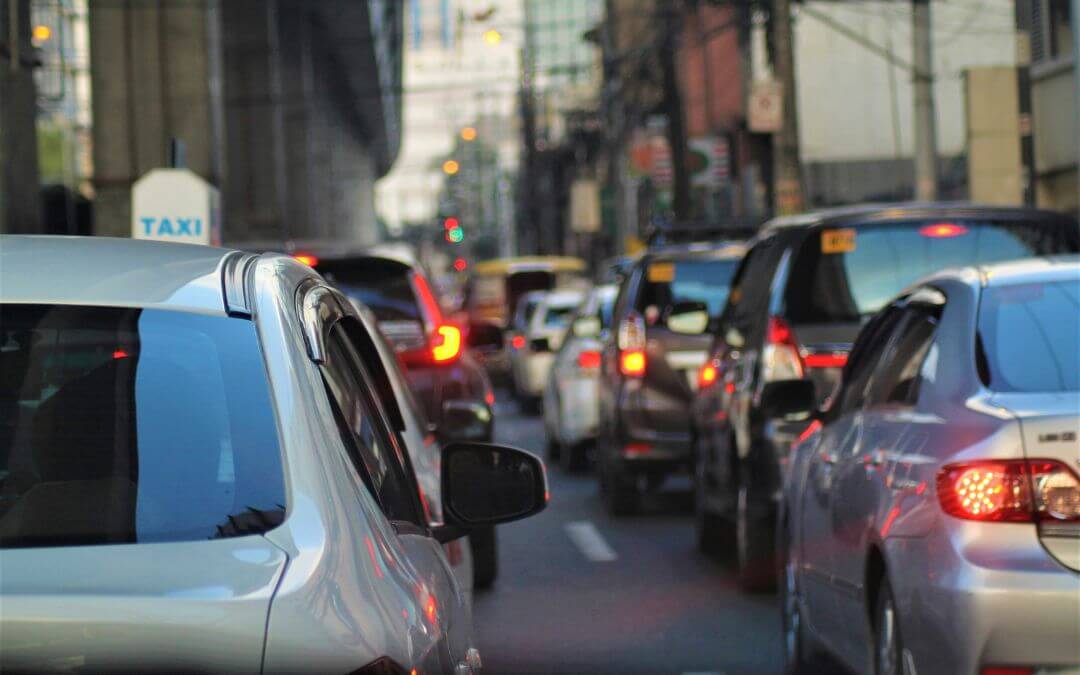
It is a common occurrence for some cars to switch lanes aggressively during heavy traffic. One car can switch lanes 4 or 5 times while another car moves one lane over and surpasses the first car. This maneuver may seem like an effective use of time, but actually, the statistics say the opposite.
Lane changing is a category on its own in the federal crash research. According to the NHTSA crash classification studies, about 13 percent of all police-reported crashes where the light vehicle’s own maneuver is the critical pre-crash event is related to lane change/merge conflicts. This figure is substantial enough for safety experts to categorize weaving segments and merge points as a category of their own, separate from generic distracted driving numbers.
Let’s look at the dangers involved when cars weave in and out of traffic and what drivers can expect from such actions.

Why Weaving Feels Faster Than It Is
The theory behind lane hopping is rather simple. There are times when the flow of traffic is uneven. Some lanes move slowly, others stop completely, and when a driver changes into a moving lane, they get the illusion of progress.
Tests on the topic, including one well-known televised experiment, have shown mixed but modest results. The said experiment showed that weaving saved as little as a minute and a half over two hours of driving in one trial, but the gains varied by test run. This result contradicts what some drivers feel as a massive advantage during traffic.
Weaving in between lanes feels productive while, in reality, it is a high-risk action. Every lane change involves finding room in the next lane. Coming into another driver’s personal space can be dangerous if that driver doesn’t see you.
Where the Real Risk Comes From
A few patterns show up consistently in lane-change and weaving crashes:
- Shortened following distance. Squeezing into a gap usually means closing to a distance that leaves no room to react if the car ahead brakes.
- Blind-spot misses. Changing lanes many times means checking several blind spots. Each check is a chance to miss a motorcycle, bicycle, or another vehicle that already started in the lane.
- Delayed or skipped signaling. Drivers who change lanes and drive fast typically don’t make signals. This lack of signal or notice to other drivers can lead to avoidable crashes.
- Merging Weaving and Side Swipe Collisions. Research shows that side swipe crashes are most common at the merging zone of weaving roadways.
None of these patterns requires reckless driving to go wrong. A momentary lapse in judgment when changing lanes can lead to any one of these dangerous situations.
What Happens After a Weaving-Related Crash
Many accidents occur when one of the drivers changes lanes while driving. The question in this kind of accident is therefore whose right of way it is and whether the lane change was made safely. Any evidence of erratic lane changes before an accident will weigh more in this type of case compared to a regular rear-end collision.
The aggressive lane changes of the inattentive or aggressive driver often involve an added level of complexity for people that were on the receiving end. Victims of a crash brought about by these careless actions are forced to assess damage, deal with the insurance company, and also determine if the other driver’s behavior will be helpful for their claim.
In California, the laws on comparative negligence mean that shared liability is possible, which often turns a weaving-related crash into a fault investigation rather than a straightforward claim. Glendora car accident lawyer Brian Van Allen works with victims of these Southern California collisions to sort out exactly how fault should be divided.
Reducing the Risk on Your Own Commute
Listed below are some habits of drivers that help reduce their individual risk in situations where other drivers are acting aggressively:
- Drivers should look at exit options and the traffic in each lane to determine which lane is best for reaching their destination several exits ahead.
- A driver should learn to be patient and let the car merge in front of them. Keep a safe following distance from the vehicle ahead.
- Drivers should learn to yield and let cars merge. Keeping a safe distance from the vehicle in front is also important.
- When drivers change lanes, giving a lot of warning helps everyone. Signal before you change lanes.
- Treat a “faster” lane as unproven until the exit is actually reached. Traffic congestion evens out more often than it seems like it will from inside a moving car.
It’s important to bear in mind that when changing lanes seems likely to save a few minutes’ time in a trip, the statistics on such an exchange almost always favor everyone except the one who initiates the change. Time savings are minimal, unpredictable, and can easily vanish with just one badly executed exchange.