
Budget Travel Hacks That Actually Work on the Road
Budget travel hacks are essential when you need to save a buck. We offer tips so you don’t overspend and you can use your cash elsewhere.
Traveling on a budget does not require sacrificing comfort or meaningful experiences. The most effective cost-saving strategies are not complicated tricks but consistent habits applied during the trip itself. Based on practical travel patterns and real-world constraints, a few high-impact decisions can significantly reduce expenses while maintaining a high-quality experience. This article outlines proven budget travel hacks that remain effective once you are already on the road.
Also read: Everything You Need For A Backpacking Trip
Flexible Planning Reduces Major Costs
Flexibility is one of the most powerful tools available to travelers. Prices for transport and accommodation vary widely depending on timing and demand. Adjusting travel days, routes, or even nearby destinations can produce noticeable savings.
For example, a traveler moving between two cities or even planning a stop in a place like Whangamata might find that a midweek departure with one stop costs considerably less than a direct weekend flight. While it may add travel time, the savings can be redirected toward activities or meals.
Another practical scenario involves choosing secondary airports. In many regions, nearby airports offer lower fares. When combined with affordable ground transport, this option can reduce total travel costs without affecting the overall itinerary.
Smarter Transport Choices Save Daily Expenses
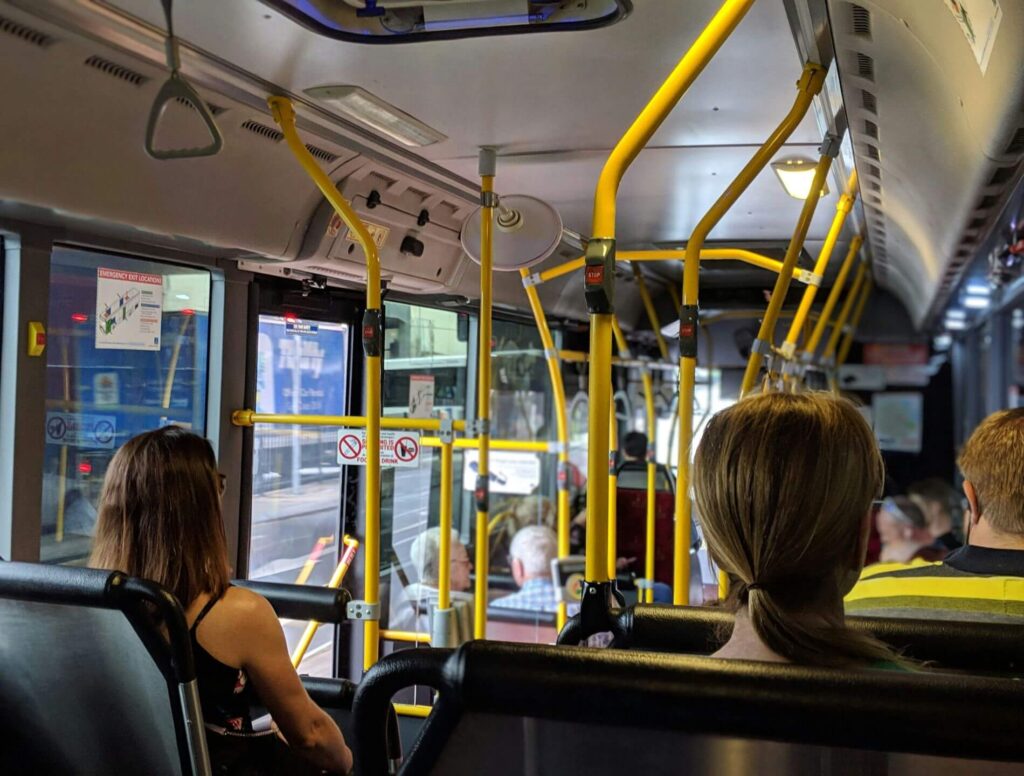
Transport decisions made during the trip often have a cumulative effect on the budget. Relying on public systems instead of taxis can cut daily costs significantly.
Key transport strategies include:
- Use public transport passes for multi-day stays in cities
- Walk or rent bicycles for short distances
- Compare multiple transport modes before booking
- Use overnight buses or trains to combine travel and accommodation
- Avoid airport taxis when lower-cost options are available
For instance, a traveler arriving in a major city may choose a train or bus from the airport instead of a taxi. The difference in cost can be substantial, especially over multiple trips.
Overnight travel is another effective method. A night bus between cities can replace one night of accommodation while advancing the itinerary. This approach works particularly well on longer routes.
Strategic Accommodation Without Sacrificing Comfort
Accommodation is typically one of the largest travel expenses. However, there are several ways to reduce this cost without compromising comfort.
Travelers can choose private rooms in hostels, which often provide similar privacy to hotels but at a lower price. These spaces frequently include shared kitchens and common areas, adding both convenience and social value.
Longer stays can also reduce nightly rates. Many accommodations offer discounts for weekly bookings. This approach is particularly useful for travelers practicing slow travel, where staying longer in one location reduces both lodging and transport costs.
Another practical method involves planning travel routes to include occasional overnight journeys. By intentionally scheduling these, travelers can reduce the total number of nights booked.
Everyday Spending Habits That Add Up
Daily decisions around food and small purchases can have a significant impact over time, and using tools like a TDEE Calculator can help travelers better understand and manage their daily energy needs. Adjusting these habits allows travelers to maintain a balanced lifestyle without overspending.
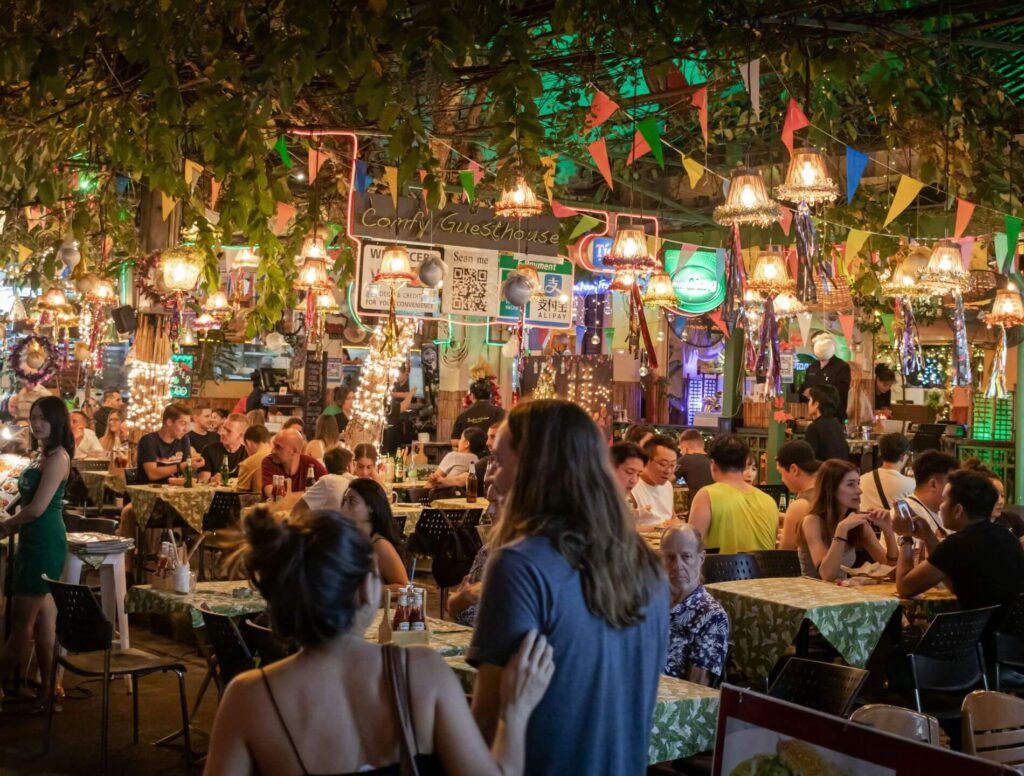
One effective approach is to eat like a local. Choosing busy local eateries or street food vendors often results in lower prices and fresher meals. These locations typically serve food quickly, reducing the risk of waste.
A second strategy is to make lunch the main meal of the day. In many destinations, lunch menus are more affordable than dinner options, even for similar dishes.
For example, a traveler might buy breakfast items from a supermarket, enjoy a full lunch at a local restaurant, and prepare a simple dinner at their accommodation, perhaps unwinding later by playing or listening to simple Chord songs. This balance keeps costs low while still allowing for authentic food experiences.
Carrying a refillable water bottle also reduces recurring expenses. In regions where tap water is safe, this simple habit prevents repeated purchases.
Money Management and Booking Discipline
Financial efficiency during travel depends on both awareness and preparation. Avoiding hidden fees and tracking expenses ensures that savings strategies remain effective.
Top 5 money management habits for travelers:
- Always pay in local currency to avoid unfavorable exchange rates
- Use cards with low or no foreign transaction fees
- Keep a backup payment method stored separately
- Monitor daily spending to prevent budget drift
- Enable transaction alerts for security and tracking
A practical example involves currency conversion. When paying by card, selecting the local currency typically results in a better exchange rate than accepting automatic conversion. Over time, this difference becomes significant.
Tracking expenses is equally important. Even a simple daily note helps identify patterns and allows adjustments before overspending becomes an issue.
Conclusion
Budget travel is not defined by restriction but by intentional choices. Flexible planning, efficient transport, strategic accommodation, and disciplined daily habits form the foundation of cost-effective travel. These methods are grounded in real-world use and remain reliable across different destinations.
By focusing on a few consistent behaviors rather than searching for shortcuts, travelers can maintain control over their expenses while still enjoying a comfortable and rewarding journey.