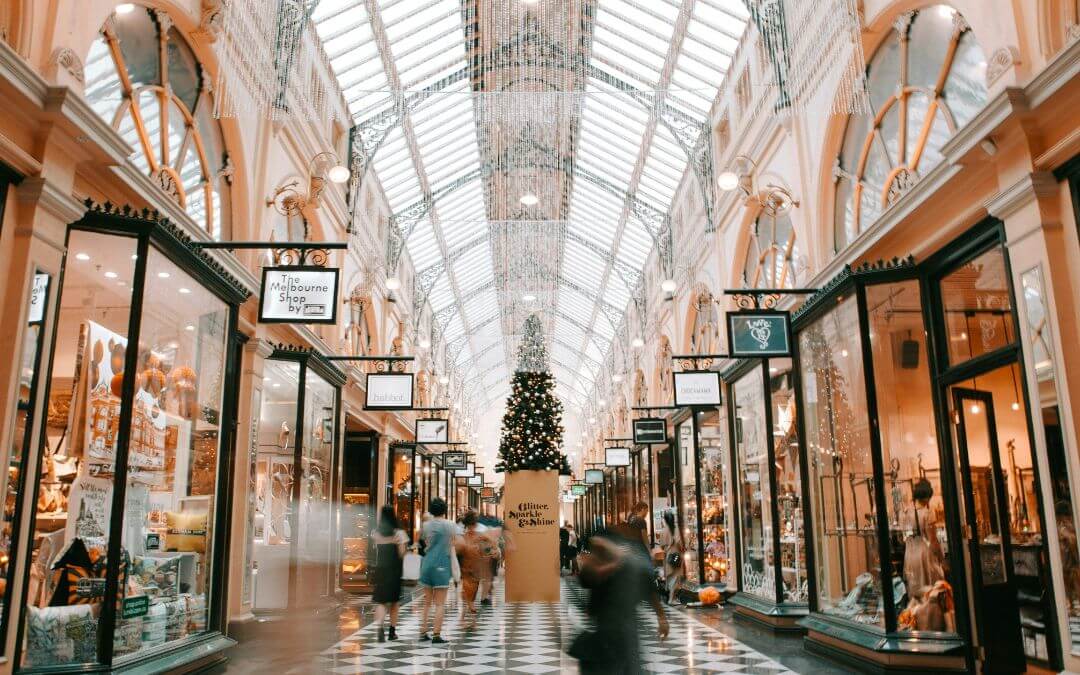
Ultimate Guide to Shopping in Europe: Best Cities, Markets and Budget
Planning to go shopping in Europe? We have everything you need to know including best cities, markets, and must-get items.
Shopping in Europe hits differently when you’re actually there: standing in a Parisian flea market at 8 a.m., or spotting a leather bag in Florence that costs less than what you’d pay in a Delhi mall. Europe has this way of making every purchase feel like a story worth telling. Whether you’re hunting for designer labels at a discount, picking up local ceramics, or just browsing Christmas markets with a mulled wine in hand, the continent delivers.
Europe’s shopping scene varies wildly city to city. One afternoon you’re in a covered arcade in Milan; two days later you’re haggling over vintage postcards in Prague. This guide breaks down exactly where to go, what to buy, and what to skip.
If you’re still in the planning stage, checking out WanderOn Europe Tour Packages is a solid first step, with curated itineraries that leave enough room for serious retail therapy.
Also read: How Travel Has Changed in the Digital Age – and What You Need to Watch Out For
A City-by-City Europe Shopping Budget Snapshot
| City | Budget per Day (Shopping) | Best Buy | Avoid |
| Paris | ₹8,000–₹20,000 | Perfume, vintage | Champs-Élysées stores |
| Milan | ₹10,000–₹30,000 | Leather goods | Airport leather shops |
| Prague | ₹3,000–₹8,000 | Crystal, garnets | Mass-produced souvenirs |
| Amsterdam | ₹5,000–₹12,000 | Vintage clothing | Tourist-area “clogs” |
| Barcelona | ₹4,000–₹10,000 | Local ceramics | Las Ramblas stalls |
| Budapest | ₹3,000–₹7,000 | Embroidery, paprika | Central Market tourist section |
Pro Tip: Holafly’s esim in Europe is a great way to stay connected while shopping.
The Best Cities for Shopping in Europe
Let’s be direct: not every European city deserves a spot on your shopping list. Some are beautiful but practically useless if retail is your goal. Here are the ones that genuinely deliver.
Paris, France
The Marais district on a Saturday is chaos—the good kind. You’ve got vintage stores on Rue des Francs-Bourgeois, concept stores tucked into courtyards, and the occasional pop-up that wasn’t there last week. Galeries Lafayette on Boulevard Haussmann is worth at least one visit, mostly for the architecture, but the basement level has some genuinely good food souvenirs under ₹2,000.
Skip the Champs-Élysées for shopping. Honestly overrated. It’s mostly the same international chains you could find in Mumbai.
Milan, Italy
The Quadrilatero della Moda is where the serious money goes. But if you’re budget-conscious, the outlet villages outside Milan—like Serravalle Designer Outlet, about 90 minutes by bus—are worth the trip. You can find Italian brands at 40–60% off. Bottega Veneta wallets are here at prices that will make you question your entire understanding of retail.
Amsterdam, Netherlands
The Nine Streets (De Negen Straatjes) neighbourhood is compact, walkable, and stocked with independent boutiques selling everything from vintage denim to Dutch ceramics. Prices are reasonable. The vintage leather jackets around Huidenstraat tend to go for €40–€80, which translates to roughly ₹3,600–₹7,200.
Prague, Czech Republic
One of the best places for shopping in Europe if you’re after crystal, garnets, and wooden puppets that look like actual art. The Palladium Mall is fine for everyday stuff, but the real finds are in the Old Town side streets. Bohemian crystal here is significantly cheaper than what you’d find in Vienna or Berlin.
Barcelona, Spain
Passeig de Gràcia has the big names. But the Gràcia neighbourhood, a 20-minute walk north, has local designers, handmade jewellery, and ceramics that you won’t find anywhere else. Las Ramblas is a tourist trap for shopping — don’t waste your time there.
What to Actually Buy in Europe (and What to Leave Behind)
Here’s a quick breakdown by country:
- France: Perfume (Fragonard in Paris is cheaper than duty-free), macarons from Ladurée (₹400–₹600 per box), silk scarves
- Italy: Leather goods, olive oil, Murano glass, artisan pasta
- Netherlands: Delft blue ceramics, aged Gouda, tulip bulbs (pack carefully)
- Czech Republic: Bohemian crystal, garnet jewellery, marionettes
- Spain: Flamenco fans, Lladró figurines, saffron from La Mancha
- Germany: Nutcrackers and smokers from the Erzgebirge region, Christmas ornaments, Meissen porcelain
A word of caution: olive oil in airport gift shops across Italy and Spain is marked up by about 200% compared to local supermarkets. Just grab a bottle from a Carrefour or Mercadona before you leave.
European Markets You Shouldn’t Miss
The best shopping destinations in Europe often aren’t the malls — they’re the open-air markets.
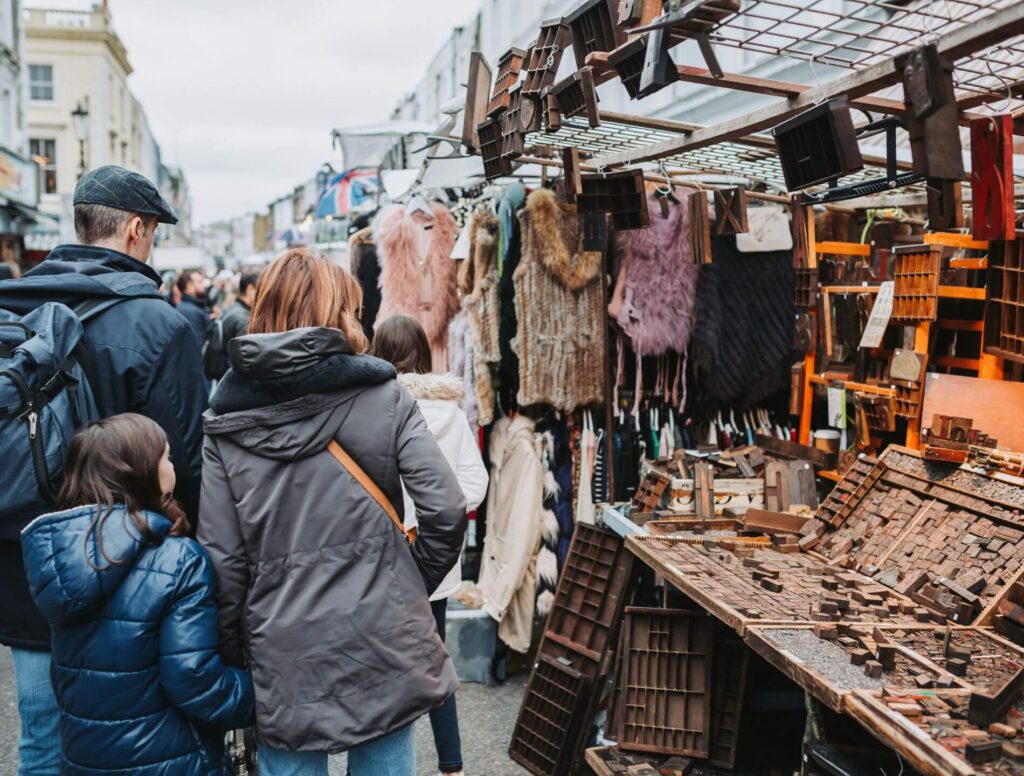
Portobello Road Market, London: Every Friday and Saturday, antique dealers set up along about 2 km of stalls. Get there before 10 a.m. or the good stuff is gone. Cash is preferred by most vendors.
Naschmarkt, Vienna: Vienna’s largest outdoor market runs Monday through Saturday. Spices, cheeses, street food, vintage clothes — it’s all here. The section near Kettenbrückengasse U-Bahn station tends to have better prices than the touristy end near the opera.
Marché aux Puces de Saint-Ouen, Paris: The world’s largest flea market. Around 3,000 dealers across several covered and open sections. Budget at least 3–4 hours. Prices are negotiable if you speak even a word of French—”C’est combien?” goes a long way.
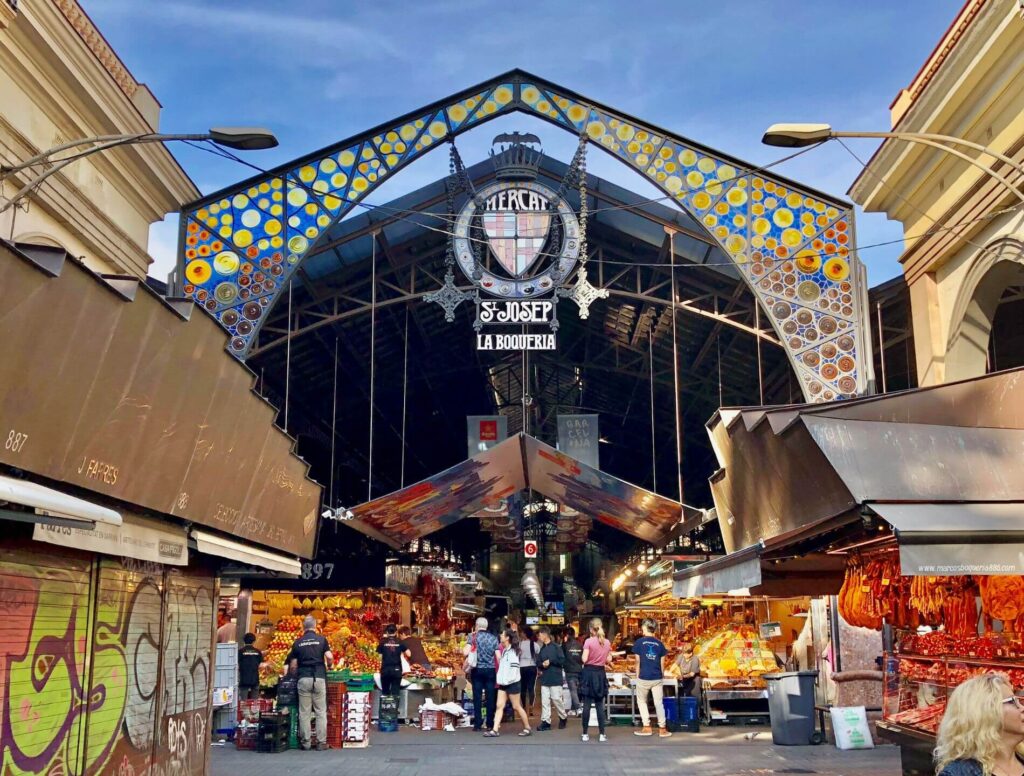
La Boqueria, Barcelona: More of a food market than a shopping destination, but the cured meats and local cheeses make excellent carry-on gifts. The stalls closest to the entrance are overpriced. Walk to the back.
Is Shopping in Europe Expensive for Indian travelers?
It depends heavily on the city and what you’re buying. Prague, Budapest, and Porto are significantly cheaper than Paris or Zurich. With the current exchange rate hovering around ₹109.50 – ₹110.50 per euro, mid-range purchases feel manageable. Budget ₹15,000–₹25,000 specifically for shopping if you’re on a 10-day trip.
What’s the VAT refund process for non-EU visitors?
As an Indian passport holder, you’re eligible for a VAT refund on purchases above a threshold (varies by country, usually €50–€175 in a single store). You cannot combine receipts across different stores to meet this minimum. Ask for a tax-free form at checkout, get it stamped at the airport before check-in, and submit it at the customs desk.
The refund typically ranges from 10–15% depending on the country. Allow at least 45-60 extra minutes at the airport for this process.
When is the Best Time to Shop in Europe for Sales?
January sales (winter clearance) and late June to early July (summer sales) offer the steepest discounts, often 30–70% off. French sales are legally regulated twice a year and genuinely deliver. If your trip coincides with either window, plan accordingly.
Practical Stuff Nobody Tells You
A few real frictions to prepare for:
- The VAT refund queue at Paris Charles de Gaulle Terminal 2E on a Sunday afternoon can easily run 60–90 minutes. Get there early. This is not an exaggeration.
- Carrying large purchases home is genuinely tricky. Murano glass, full-size ceramic pieces, wine bottles—all of these have broken in luggage. Either use a shipping service (DHL and FedEx have drop points near most major tourist areas) or buy smaller versions. That €200 vase isn’t worth the heartbreak when you open your bag in Delhi.
- Card payments are widely accepted across Western Europe, but in the Czech Republic, Hungary, and parts of Eastern Europe, some market vendors still prefer cash. Carry local currency equivalents of at least ₹3,000–₹4,000 per day at markets.
- Also, where to shop in Europe for the best variety without hopping between too many cities? A multi-city trip that covers Paris, Prague, and Budapest gives you the full range — luxury, mid-range, and budget — without repeating the same type of shopping experience.
How to Plan Your Shopping in Europe Without Losing Your Mind
A few things that actually help:
- List before you leave. Know what you want: gifts, personal buys, specific categories. Impulse buying in Europe is dangerous for your wallet.
- Research opening hours. Many European shops close on Sundays, especially in Germany, Austria, and Switzerland. Plan accordingly.
- Separate your shopping days. Don’t try to see the Louvre and Portobello Market on the same day. You’ll do both badly.
- Download the currency converter app beforehand. Having a quick mental model of what ₹5,000 translates to in euros or Czech koruna saves you from making hasty decisions.
- Check airline baggage policies. Adding 5 kg of shopping on a budget airline will cost you more than the items themselves.
If you’d rather let someone else handle the logistics while you focus on exploring—and shopping—this Europe Group Trip covers Paris to Budapest over 14 nights, hitting several of the cities on this list. A good option if you want the community vibe and hate figuring out train schedules mid-trip.
The Europe Shopping Guide Summary: What to Prioritise
Using this Europe shopping guide as a starting point, here’s the honest hierarchy:
Worth the money: Italian leather in Florence, Bohemian crystal in Prague, French perfume in Paris, vintage finds in Amsterdam, Hungarian embroidery in Budapest.
Overrated: Designer goods in airport duty-free (almost always more expensive than in-city stores), mass-produced souvenirs near any major cathedral, anything with the Eiffel Tower on it that costs more than ₹200.
Skip entirely: Generic “European” chocolate in plastic boxes at train station kiosks. Same stuff, three times the price.
The best shopping in Europe doesn’t happen on a checklist — it happens when you wander down a side street in Bruges at 5 p.m. and spot a tiny chocolate shop you weren’t looking for. Build in unplanned time. Leave room in your bag and your schedule. That’s where the good stuff is.